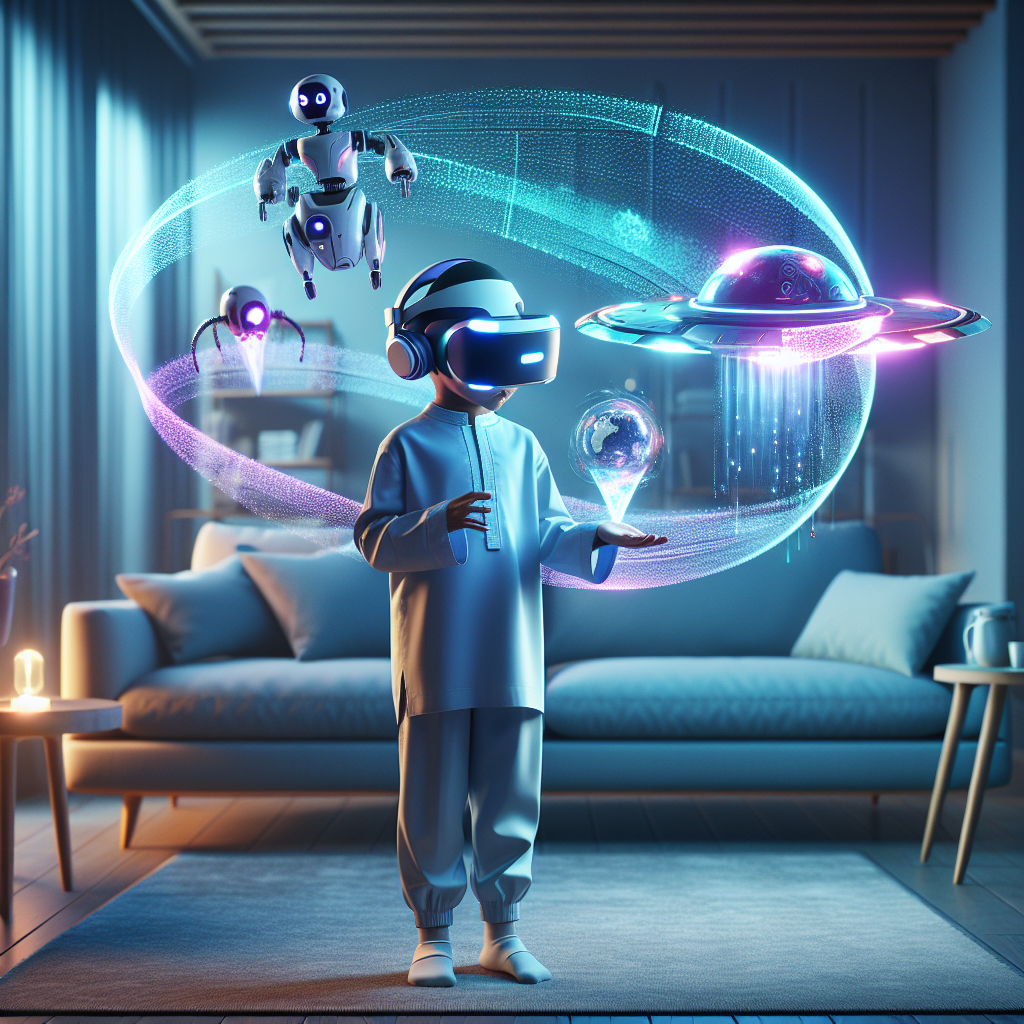
The Impact of Virtual Reality on the Future of Toys
As we step into a new era of technological advancement, virtual reality (VR) is rapidly transforming various industries. One domain that stands to benefit significantly is the toy industry. Imagine a world where toys are not just objects but gateways to immersive experiences. In this blog post, we’ll explore how virtual reality is reshaping the future of toys, making playtime more engaging and educational than ever before.
Table of Contents
1. Introduction
2. The Evolution of Play
3. Virtual Reality: A Game Changer
4. Educational Benefits of VR Toys
5. The Social Impact of VR in Play
6. Challenges and Considerations
7. Conclusion
8. FAQs
Introduction
From simple wooden blocks to sophisticated electronic gadgets, toys have come a long way. Today, the integration of virtual reality into toys is not only captivating children’s imaginations but also redefining the boundaries of creativity and learning. Let’s take a closer look at how VR is influencing the toy industry and what the future holds for this dynamic field.
The Evolution of Play
For centuries, toys have been an essential part of childhood, evolving alongside technological advancements. Traditional toys like dolls and action figures have gradually given way to more interactive and electronic forms. With the introduction of VR, the evolution of play is reaching new heights. This technology enables children to engage with their toys in ways that were once thought impossible, merging the physical and digital worlds seamlessly.

Virtual Reality: A Game Changer
Virtual reality has revolutionized the toy industry by offering immersive experiences that captivate young minds. Imagine a child donning a VR headset and stepping into a world where they can interact with dinosaurs, explore ancient civilizations, or even embark on space adventures. VR toys are no longer limited by the constraints of the physical world, allowing for endless possibilities and creative exploration.
Moreover, VR toys are designed to enhance sensory experiences. With realistic graphics and surround sound, children can truly feel as if they are part of the environment. This level of immersion keeps kids engaged, ensuring that playtime is both fun and fulfilling.
Educational Benefits of VR Toys
One of the most significant advantages of VR toys is their educational potential. These toys can serve as powerful learning tools, helping children grasp complex concepts in an interactive manner. For instance, a VR-based science kit can allow kids to witness chemical reactions or explore the solar system up close, making learning both exciting and memorable.
Moreover, VR toys can adapt to different learning styles, catering to visual, auditory, and kinesthetic learners. This adaptability ensures that all children have an equal opportunity to benefit from these innovative tools, fostering a love for learning that extends beyond the classroom.
The Social Impact of VR in Play
While VR toys are often associated with solitary play, they also have the potential to enhance social interactions. Multiplayer VR experiences allow children to collaborate with friends, solving puzzles or embarking on adventures together. This collaborative play helps develop essential social skills such as communication, teamwork, and empathy.
Additionally, VR toys can bridge geographical gaps, enabling children to play with friends or family members who may be miles apart. This connectivity fosters a sense of community and belonging, even in a virtual setting.
Challenges and Considerations
Despite the numerous benefits, the integration of VR into toys is not without its challenges. Concerns about screen time, safety, and accessibility must be addressed to ensure that VR toys are used responsibly. Parents should monitor their children’s play sessions and encourage breaks to prevent eye strain and other health issues.
Moreover, the cost of VR technology can be a barrier for some families. As the technology becomes more widespread, it’s crucial to make VR toys affordable and accessible to a broader audience, ensuring that all children can benefit from these innovations.
Conclusion
Virtual reality is undoubtedly reshaping the future of toys, offering immersive and educational experiences that were once unimaginable. As technology continues to evolve, we can expect even more innovative and exciting developments in the toy industry. Embracing these changes will not only enhance playtime for children but also open new avenues for learning and social interaction.
FAQs
Q1: Are VR toys safe for children?
A1: Yes, VR toys are generally safe when used responsibly. It’s important for parents to supervise playtime and ensure that children take regular breaks to prevent eye strain and other health issues.
Q2: What age group is VR suitable for?
A2: VR toys are typically recommended for children aged 7 and above, but it’s essential to check the manufacturer’s guidelines for specific age recommendations.
Q3: Can VR toys be used for educational purposes?
A3: Absolutely! VR toys offer interactive learning experiences, helping children grasp complex concepts in subjects like science, history, and geography.
Q4: How can VR toys improve social skills?
A4: Multiplayer VR experiences encourage collaboration and communication, helping children develop essential social skills while playing with friends or family members.
Q5: Are VR toys expensive?
A5: While some VR toys can be pricey, the cost is expected to decrease as the technology becomes more widespread and accessible. Look for affordable options that offer quality experiences.
