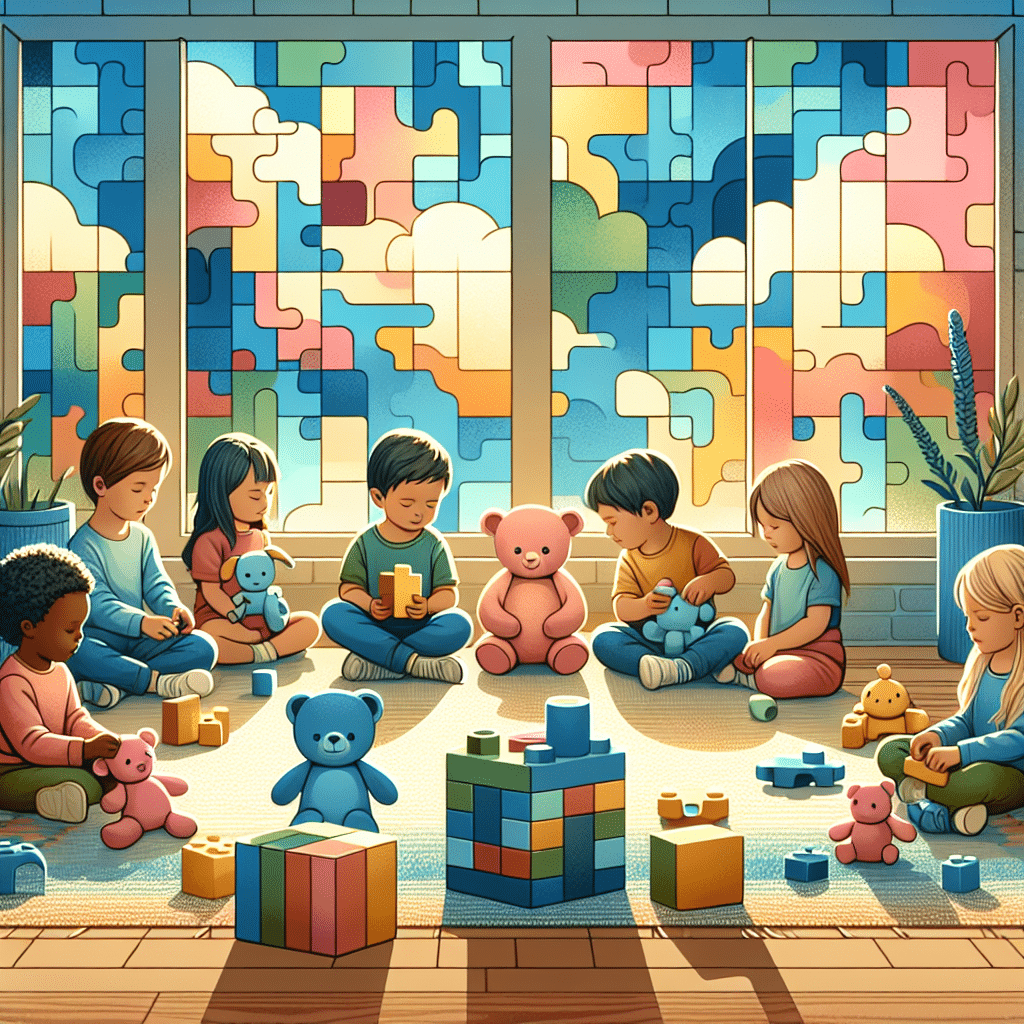
The Role of Toys in Promoting Emotional Intelligence
Emotional intelligence (EI) is a crucial skill that helps individuals understand and manage their emotions, as well as empathize with others. While often associated with adults and workplace dynamics, the foundation of emotional intelligence is laid during childhood. Surprisingly, toys play a significant role in nurturing these essential skills. In this blog post, we will explore how toys contribute to developing emotional intelligence, making playtime both fun and educational. 🧸
Table of Contents
1. Introduction to Emotional Intelligence
2. Understanding Emotional Intelligence in Children
3. Types of Toys That Foster Emotional Growth
4. The Benefits of Play in Emotional Development
5. Selecting the Right Toys for Emotional Intelligence
6. Conclusion
7. FAQs
Introduction to Emotional Intelligence
Emotional intelligence refers to the ability to recognize, understand, and manage our own emotions, as well as the ability to understand and influence the emotions of others. This skill is vital in personal and professional relationships, and its roots are deeply embedded in childhood experiences. By engaging in play, children learn to navigate their feelings, develop empathy, and build social connections.
Understanding Emotional Intelligence in Children
Children begin developing emotional intelligence from a very young age. They observe, mimic, and learn emotional cues from their caregivers and surroundings. Toys serve as a medium through which children can express themselves, experiment with different emotions, and learn valuable social skills. Through imaginative play, children explore various scenarios, fostering emotional resilience and empathy.
Types of Toys That Foster Emotional Growth
Certain toys are especially effective in promoting emotional intelligence in children. Here are some categories that stand out:
Role-Playing Toys
Dolls, action figures, and dress-up costumes allow children to engage in role-playing. By assuming different roles, they practice empathy and gain insights into others’ perspectives. This imaginative play is crucial for understanding emotions and social interactions.
Board Games and Puzzles
These toys teach children patience, cooperation, and problem-solving skills. Board games often require players to take turns, manage their reactions to winning or losing, and collaborate with others. Such experiences are invaluable in developing emotional control and teamwork.
Art and Craft Supplies
Artistic expression is a powerful tool for emotional exploration. Through drawing, painting, or crafting, children can express their feelings in a safe and creative way. Art allows them to process complex emotions and communicate their thoughts without words.
Interactive Toys and Games
Interactive toys that encourage sharing and communication are excellent for building social skills. These toys often require multiple players, fostering collaboration and teaching children how to navigate group dynamics.
The Benefits of Play in Emotional Development
Play is not merely a pastime; it’s a vital component of healthy childhood development. Here are some key benefits of play in promoting emotional intelligence:
1. Emotional Expression: Play provides a safe space for children to express their emotions, helping them understand and process their feelings.
2. Empathy Building: By engaging in pretend play, children learn to see the world from different perspectives, enhancing their ability to empathize with others.
3. Social Skills Development: Through interactive play, children practice communication, negotiation, and conflict resolution, essential skills for emotional intelligence.
4. Stress Relief: Play is a natural stress reliever, allowing children to unwind, relax, and release pent-up emotions.
Selecting the Right Toys for Emotional Intelligence
Choosing toys that nurture emotional intelligence requires thoughtful consideration. Parents and caregivers should look for toys that encourage open-ended play, creativity, and social interaction. Here are a few tips for selecting the right toys:
1. Prioritize Variety: Offer a mix of role-playing, interactive, and artistic toys to cover different aspects of emotional intelligence.
2. Encourage Open-Ended Play: Opt for toys that allow children to create their own scenarios and solutions, promoting creativity and problem-solving.
3. Focus on Age-Appropriate Toys: Ensure the toys are suitable for the child’s developmental stage to maximize engagement and learning.
4. Promote Sharing and Cooperation: Choose toys that require collaboration and sharing, helping children learn essential social skills.
Conclusion
Toys are not just objects of entertainment; they are powerful tools in nurturing emotional intelligence in children. By selecting the right types of toys and encouraging play, parents and caregivers can support children in developing empathy, social skills, and emotional resilience. As children learn to navigate their emotions through play, they build a strong foundation for healthy relationships and successful futures. 🧠
FAQs
Q: What age should I start focusing on emotional intelligence in my child?
A: It’s never too early! Children begin developing emotional intelligence from infancy through their interactions with caregivers and the environment.
Q: Can electronic toys promote emotional intelligence?
A: While some electronic toys offer educational benefits, it’s crucial to balance screen time with traditional play that encourages social interaction and creativity.
Q: How can I tell if a toy is promoting emotional intelligence?
A: Look for toys that encourage role-playing, require collaboration, or allow for creative expression. These toys typically foster emotional growth and social skills.
Q: What if my child prefers solitary play?
A: Solitary play is also beneficial as it allows children to explore their emotions independently. However, encouraging occasional interactive play can help develop social skills.
