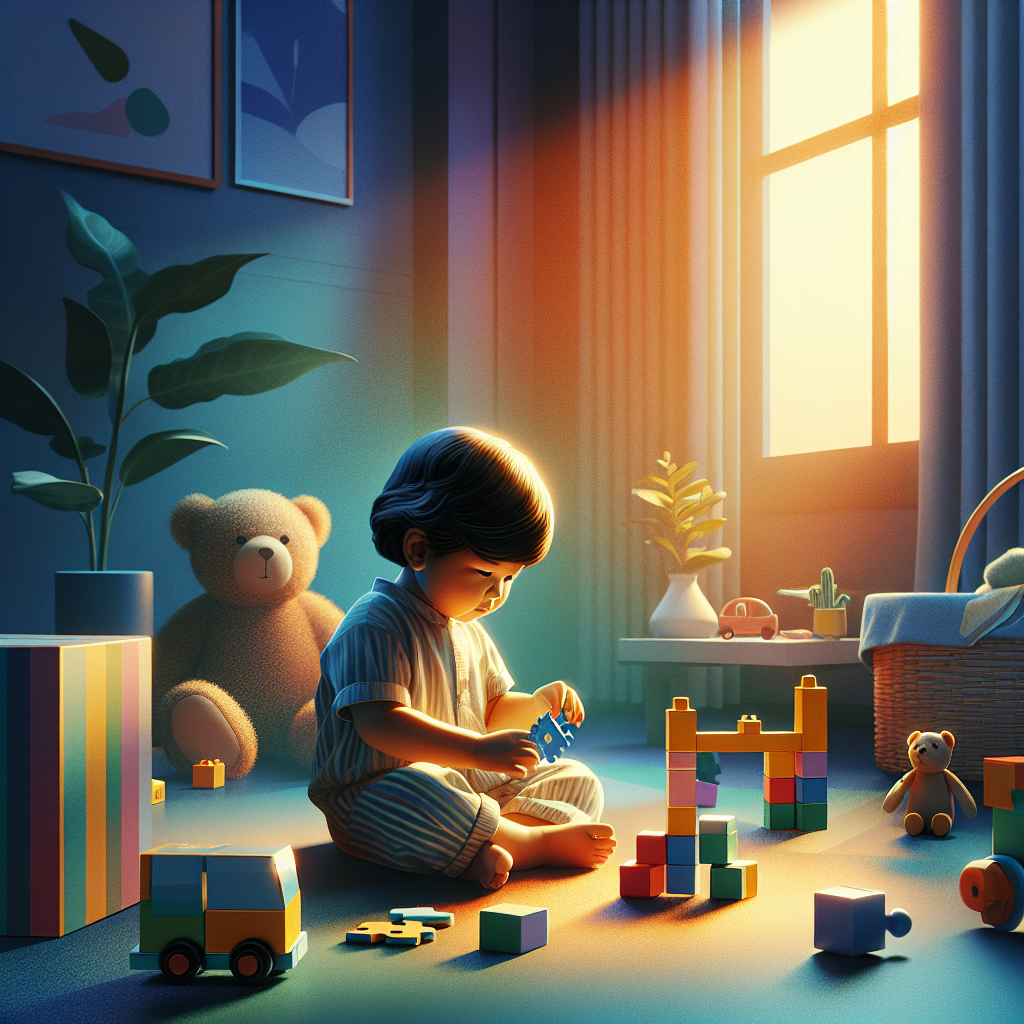
The Role of Toys in Developing Resilience
In today’s fast-paced world, fostering resilience in children is more important than ever. Toys, often seen merely as sources of entertainment, play a crucial role in this developmental process. Let’s delve into how toys contribute to building resilience in children and why they are more than just fun and games. 🎲
Table of Contents
1. Introduction
2. Understanding Resilience
3. How Toys Build Emotional Strength
4. Problem-Solving Through Play
5. Social Skills and Group Play
6. Choosing the Right Toys
7. Conclusion
8. FAQs
Understanding Resilience
Resilience is the ability to bounce back from adversity, adapt to challenges, and thrive despite difficulties. For children, developing resilience is vital as it equips them with the tools to handle life’s ups and downs. But how exactly do toys fit into this picture?
How Toys Build Emotional Strength
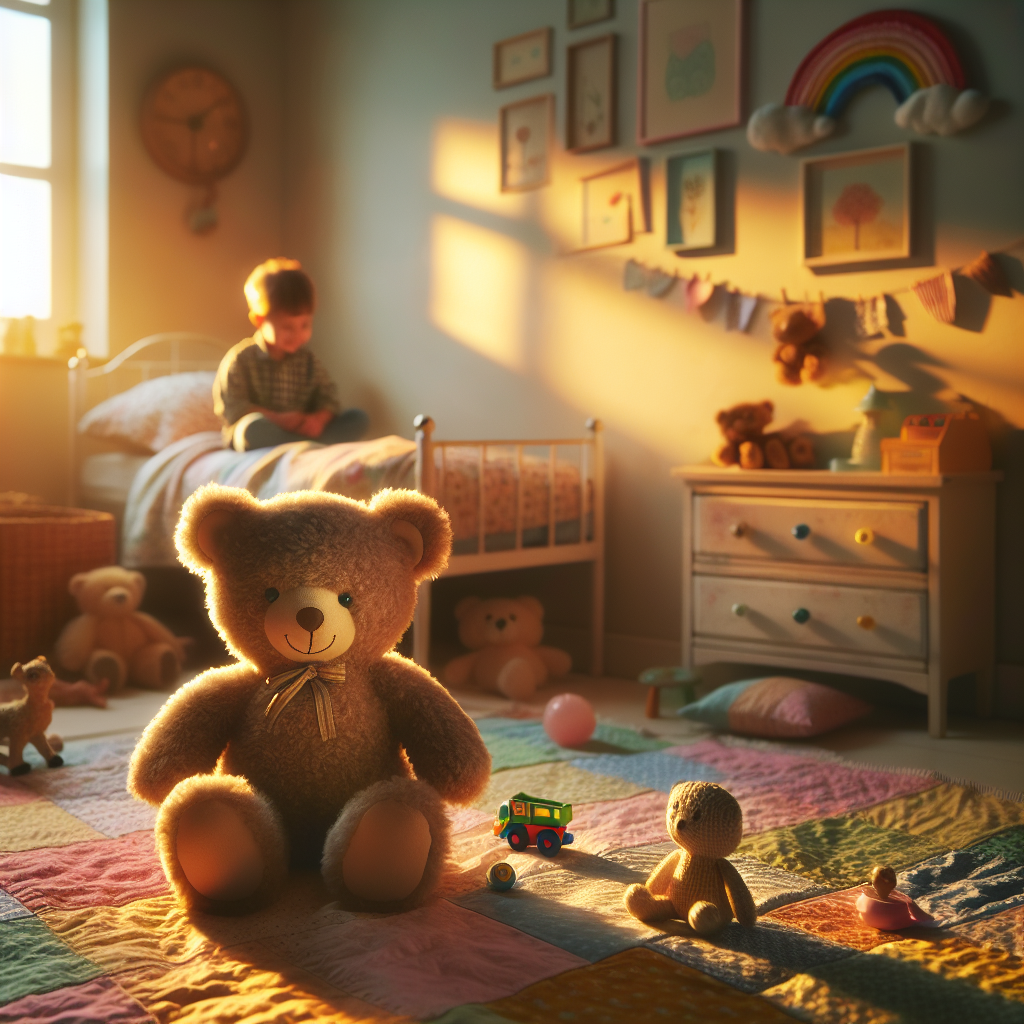
Toys often serve as emotional anchors for children. A comforting teddy bear or a favorite doll can provide solace during stressful times, helping children manage emotions like fear and sadness. Playing with toys allows children to express their feelings in a safe environment, promoting emotional intelligence and resilience. Through imaginative play, children can reenact scenarios that help them process emotions and build emotional strength. 🧸
Problem-Solving Through Play
Many toys are designed to challenge children’s problem-solving abilities. Building blocks, puzzles, and strategy games require children to think critically and creatively. These toys encourage trial and error, teaching kids that failure is not the end but a step towards success. The persistence required to complete a puzzle or build a structure is a key component of resilience. When children learn to overcome obstacles during play, they develop a mindset that embraces challenges rather than shying away from them. 🧩
Social Skills and Group Play
Group play with toys like board games or building sets fosters collaboration and communication. Children learn to negotiate, share, and empathize with others, all of which are crucial social skills. These interactions teach kids how to resolve conflicts and understand different perspectives, both of which are essential for developing resilience. When children play together, they learn that working through disagreements can lead to rewarding outcomes, strengthening their ability to cope with social challenges. 🤝
Choosing the Right Toys
While any toy can contribute to resilience, some are particularly effective. Look for toys that encourage creativity, problem-solving, and social interaction. Toys that allow for open-ended play, such as building sets and art supplies, are excellent choices. Additionally, consider toys that adapt to a child’s growing abilities, offering new challenges as they develop. It’s important to mix solitary play toys with those designed for group interaction to provide a balanced development experience.
Conclusion
Toys are much more than mere distractions for children. They are powerful tools that can foster resilience by building emotional strength, enhancing problem-solving skills, and promoting social interactions. By choosing the right toys, parents and educators can help children develop the resilience they need to navigate life’s challenges successfully. So next time you see a child engaged in play, remember that they are not just having fun—they are building the foundations for a resilient future. 🌟
FAQs
Q: Can electronic toys also help in building resilience?
A: Yes, electronic toys that encourage creativity, problem-solving, and interaction can also contribute to resilience. However, it’s important to balance screen time with physical play.
Q: At what age should I start introducing resilience-building toys to my child?
A: It’s never too early to introduce toys that promote resilience. Even infants benefit from toys that encourage exploration and sensory development.
Q: How can I tell if a toy is suitable for building resilience?
A: Look for toys that offer challenges, promote interaction, and allow for imaginative play. Toys that grow with your child and provide new challenges as they age are particularly effective.
