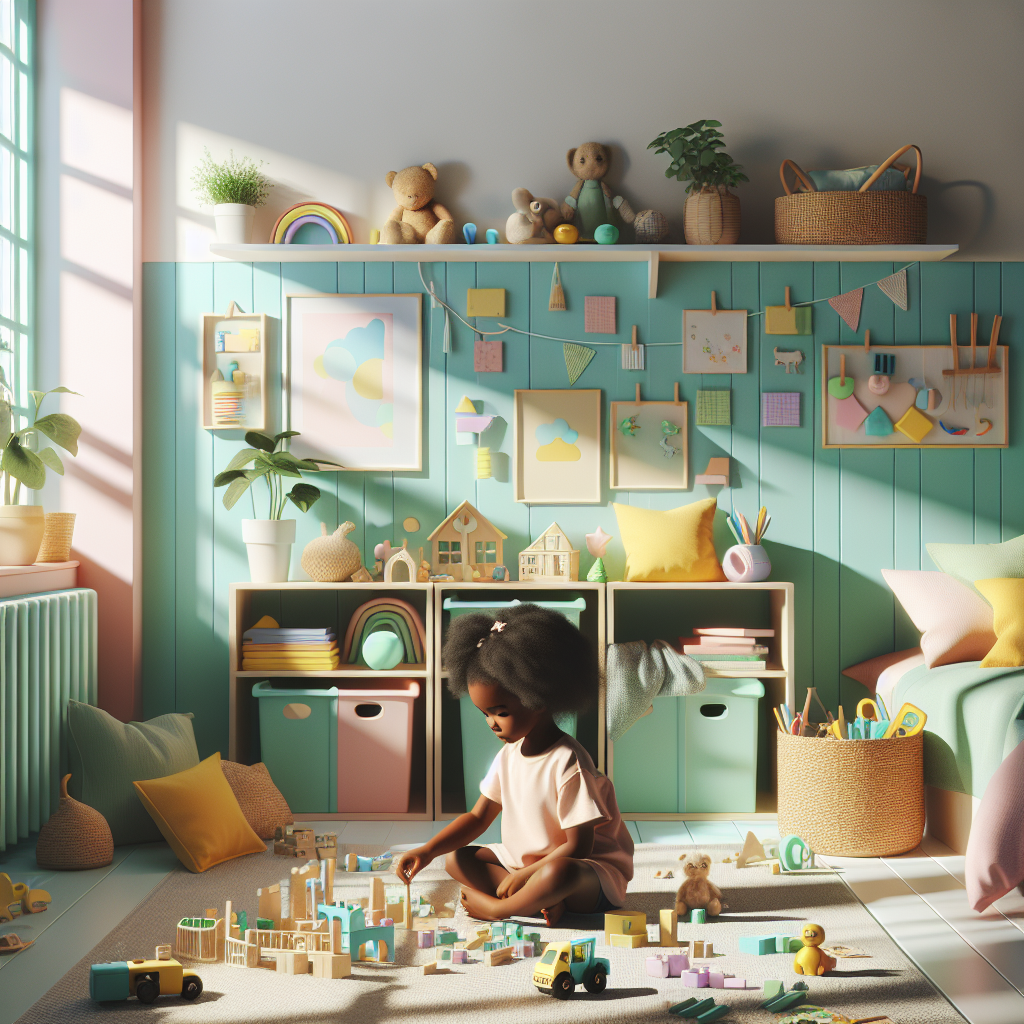
How to Choose Toys that Encourage Independent Play
In a world full of distractions and endless entertainment options, finding toys that can captivate a child’s attention while fostering independence is invaluable. Encouraging independent play is not only beneficial for developing cognitive and motor skills but also essential for nurturing creativity and problem-solving abilities. But how do you choose the right toys that promote this kind of play? Let’s dive in!
Table of Contents
1. Understanding Independent Play
2. Importance of Independent Play
3. Key Features to Look for in Toys
6. Conclusion
7. FAQs
Understanding Independent Play
Independent play is when a child engages in activities without direct adult supervision or interaction. It allows children to explore their environment, make decisions, and entertain themselves. This type of play is crucial for developing autonomy and confidence. 🎈
Importance of Independent Play
Independent play is more than just a way to keep children occupied. It fosters creativity, enhances problem-solving skills, and builds self-confidence. Here are a few reasons why it’s vital:
1. Boosts Creativity: When children play alone, they’re free to use their imagination without constraints.
2. Develops Problem-Solving Skills: Figuring out how toys work or creating new games helps children learn to solve problems independently.
3. Encourages Decision-Making: Choosing what to play with and how to play enhances decision-making skills.
4. Builds Patience and Focus: Playing independently helps children learn to concentrate and be patient as they engage with their toys.
Key Features to Look for in Toys
Choosing the right toys can make all the difference. Here are essential features to consider:
1. Open-Ended Play: Look for toys that can be used in multiple ways. Blocks, for instance, can be stacked, sorted, or used to build different structures. 🏗️
2. Safety: Ensure the toys are made of non-toxic materials and are age-appropriate to avoid choking hazards.
3. Durability: High-quality toys that withstand wear and tear encourage longer periods of play.
4. Simplicity: Sometimes, the simplest toys are the most engaging. Avoid toys with too many bells and whistles that can overwhelm a child.
5. Educational Value: Choose toys that offer learning opportunities, whether through shapes, colors, or numbers. 📚
Age-Appropriate Toys
Understanding the developmental stage of your child is crucial when selecting toys:
Infants (0-12 months): Opt for sensory toys like soft blocks, rattles, and teething rings.
Toddlers (1-3 years): Choose toys that promote motor skills, such as push-pull toys, stacking blocks, and shape sorters.
Preschoolers (3-5 years): Consider pretend play sets, puzzles, and art supplies to boost creativity.
School-aged children (5+ years): Look for board games, science kits, and construction sets to challenge their minds.
Top Toy Recommendations
Here are some top picks that encourage independent play:
1. LEGO Sets: These classic building blocks inspire creativity and problem-solving. 🧩
2. Wooden Blocks: Timeless and versatile, they are perfect for toddlers and preschoolers.
3. Play Kitchens: Encourage imaginative play and social skills.
4. Art Supplies: Crayons, markers, and paper are perfect for artistic exploration.
5. Puzzles: Enhance cognitive skills and improve concentration.
Conclusion
Choosing toys that encourage independent play is an investment in your child’s development. By selecting open-ended, age-appropriate, and durable toys, you provide them with the tools to explore their imagination, enhance cognitive abilities, and build confidence. Remember, the best toys are those that grow with your child, adapting to their evolving interests and skills. 🎉
FAQs
Q: How can I encourage my child to play independently?
A: Start by setting up a safe play area with a variety of toys. Encourage them and praise their efforts when they engage in independent play.
Q: What should I do if my child struggles with independent play?
A: Observe their interests and provide toys that align with them. Gradually increase the time they spend playing alone, offering support when necessary.
Q: Are electronic toys suitable for independent play?
A: While some electronic toys can offer educational value, it’s important to balance screen time with traditional play to encourage creativity and imagination.
By mindfully selecting toys that foster independent play, you are setting the foundation for your child’s growth and success. Happy playing! 🌟
