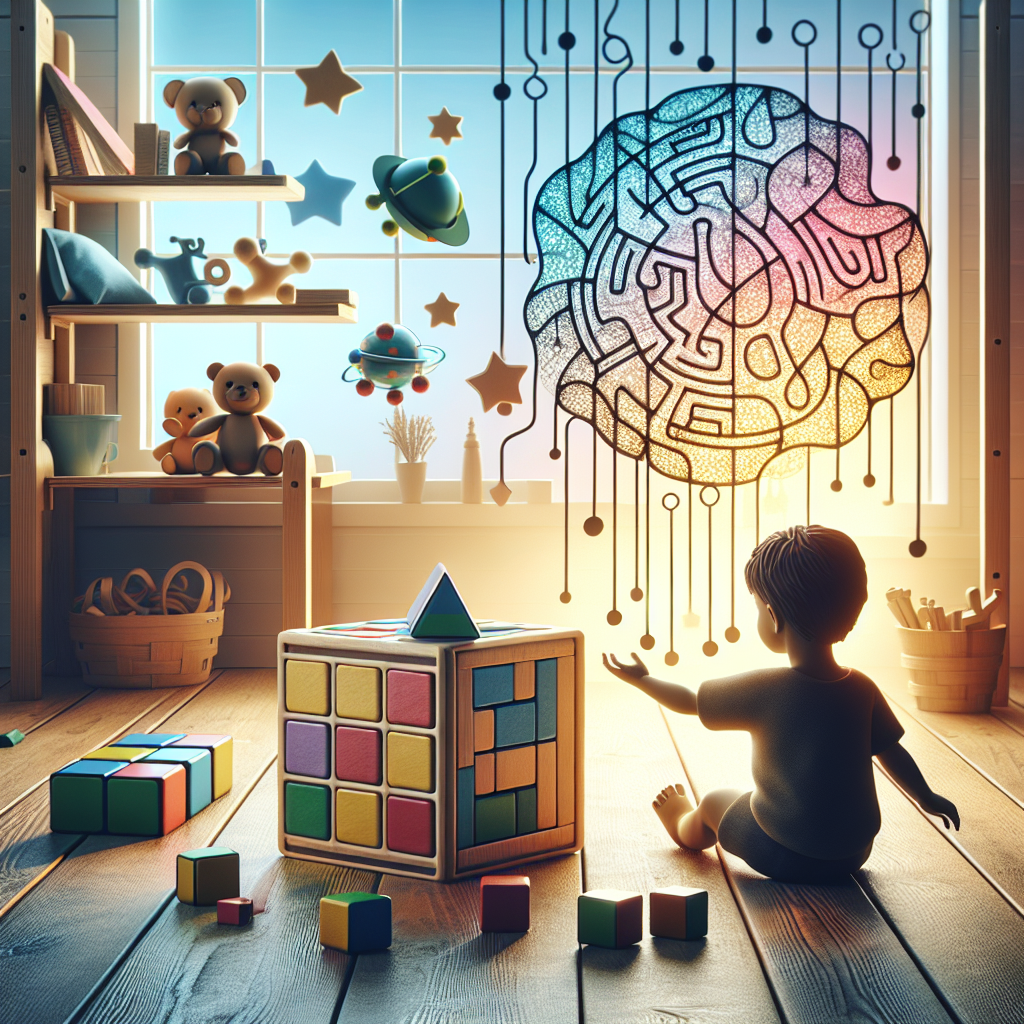
How to Choose Toys that Encourage Problem Solving
As parents, educators, or caregivers, we all want to provide children with the best tools to foster their growth and development. Toys are not just for entertainment; they can be incredible tools for learning, particularly in developing problem-solving skills. But with so many options out there, how do you choose the right toys? 🤔 This guide will help you navigate the world of educational toys, highlighting those that can truly enhance your child’s problem-solving abilities.
Table of Contents
1. Introduction
2. Understanding Problem Solving in Children
3. Key Features of Problem-Solving Toys
4. Types of Toys that Promote Problem Solving
5. Tips for Selecting the Best Toys for Your Child
6. Conclusion
7. FAQs
Understanding Problem Solving in Children
Problem-solving is a critical skill that children develop as they grow. It involves thinking creatively, analyzing situations, and coming up with solutions. This skill is not only essential for academic success but also for everyday life challenges. From building blocks to complex puzzles, toys can significantly aid in nurturing these abilities.
Key Features of Problem-Solving Toys
When searching for toys that encourage problem solving, look out for these key features:
Open-Ended Play
Toys that allow for open-ended play provide endless possibilities for creativity and problem-solving. They don’t have a fixed outcome, enabling children to explore different solutions and scenarios.
Age Appropriateness
Ensure the toy matches your child’s developmental stage. A toy that’s too advanced might lead to frustration, while one that’s too simple might not challenge them enough.
Engaging and Interactive
The best problem-solving toys are those that keep children engaged. Interactive toys that respond to actions or involve multiple steps can enhance a child’s cognitive skills.
Types of Toys that Promote Problem Solving
Let’s dive into some specific types of toys that are known for boosting problem-solving skills:
Puzzles 🧩
Puzzles are classic problem-solving toys that help develop spatial awareness, logic, and reasoning. From simple shape sorters for toddlers to complex jigsaw puzzles for older kids, there’s a puzzle for every age group.
Building Blocks and Construction Sets
Building blocks and construction sets like LEGO are fantastic for fostering creativity and engineering skills. Children learn to think critically as they design and construct various structures.
Board Games 🎲
Board games that require strategy and planning are excellent for developing problem-solving skills. Games like chess, checkers, and strategy-focused games encourage children to think ahead and make calculated decisions.
STEM Kits
STEM (Science, Technology, Engineering, and Mathematics) kits are designed to introduce children to these fields in a fun and interactive way. They often involve building models, conducting experiments, and solving technical challenges.
Tips for Selecting the Best Toys for Your Child
Here are some practical tips to help you choose the perfect problem-solving toys for your child:
Observe Your Child’s Interests
Pay attention to what your child naturally gravitates towards. Choosing toys that align with their interests will keep them engaged and motivated to solve problems.
Read Reviews and Recommendations
Check out reviews and recommendations from other parents or educators. They can provide valuable insights into the toy’s effectiveness and engagement level.
Balance Fun with Challenge
Look for toys that strike a balance between fun and challenge. The toy should be enjoyable while also providing enough complexity to encourage problem solving.
Conclusion
Choosing toys that encourage problem solving is an investment in your child’s future. By selecting toys that are engaging, age-appropriate, and challenging, you can help foster critical thinking and creative skills. So, the next time you’re toy shopping, remember these tips and watch your child’s problem-solving abilities soar! 🚀
FAQs
What age should I start introducing problem-solving toys?
You can start introducing problem-solving toys as early as infancy. Simple toys like shape sorters or stacking rings are great for babies, while more complex toys can be introduced as they grow.
Are electronic toys effective for problem-solving skills?
Some electronic toys can be beneficial, especially those that encourage interaction and decision-making. However, it’s important to ensure they don’t replace traditional play, which is crucial for development.
How many problem-solving toys should my child have?
It’s not about the quantity but the quality and variety. Having a mix of different types of problem-solving toys can provide a well-rounded experience.
