How to Choose Toys that Foster Inclusivity
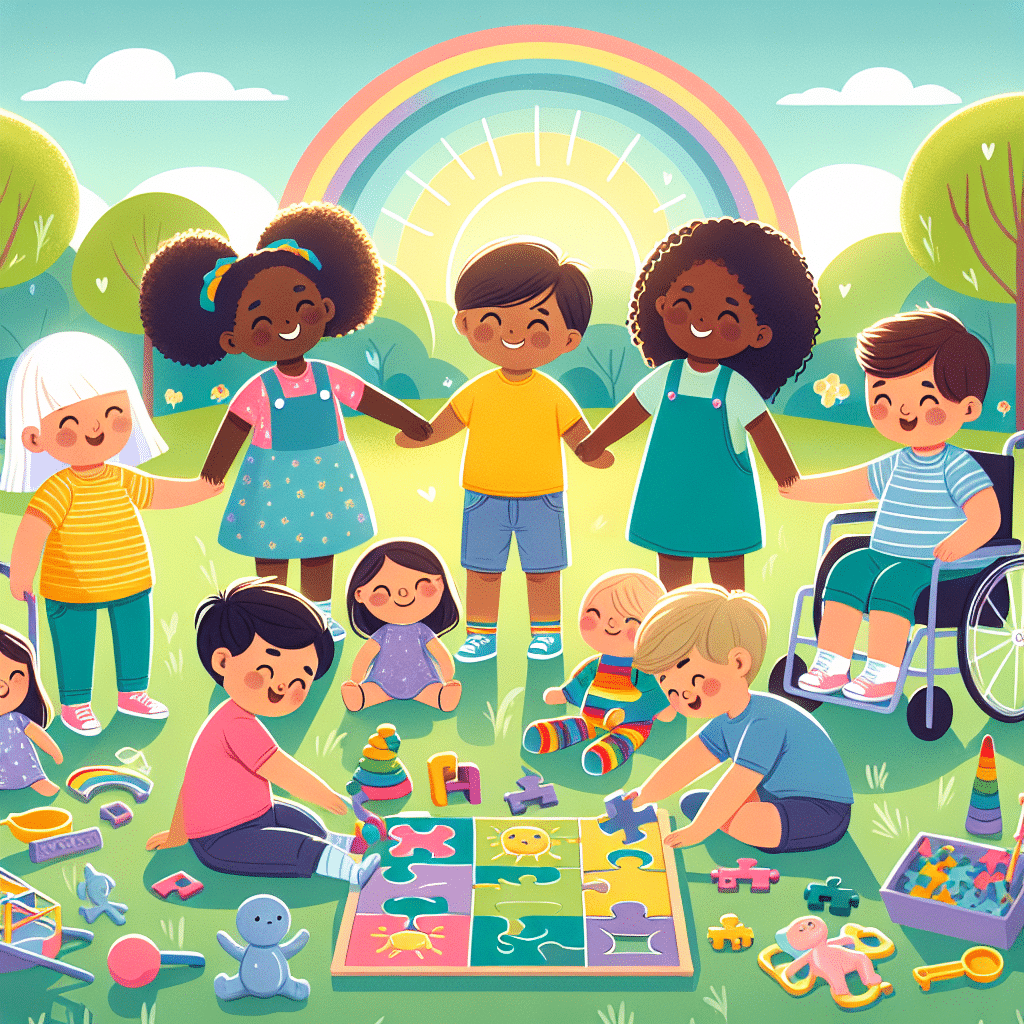
As parents and caregivers, we seek to provide our children with toys that are not only fun but also foster inclusivity. With the world becoming more diverse and interconnected, it’s crucial that the toys we choose help children understand and embrace differences. This guide will help you select toys that promote inclusivity and diversity, ensuring playtime is both educational and enjoyable. 🎨🧸
Table of Contents
1. Introduction
2. Why Inclusivity in Toys Matters
3. Features of Inclusive Toys
4. Popular Inclusive Toy Brands
5. Tips for Selecting Inclusive Toys
6. Conclusion
7. FAQs
Introduction
In today’s world, it’s more important than ever to teach our children about inclusivity. Toys are a powerful tool in this educational journey, as they can shape how children perceive themselves and others. By choosing toys that reflect diverse cultures, abilities, and family structures, we can nurture empathy and acceptance in our little ones. But how do we identify toys that truly promote inclusivity? Let’s explore this crucial topic together.
Why Inclusivity in Toys Matters
Toys are not just playthings; they’re vehicles for learning and development. Inclusive toys help children understand and appreciate diversity from an early age. They play a significant role in teaching children about different cultures, abilities, and family dynamics, which is pivotal in developing social skills and emotional intelligence.
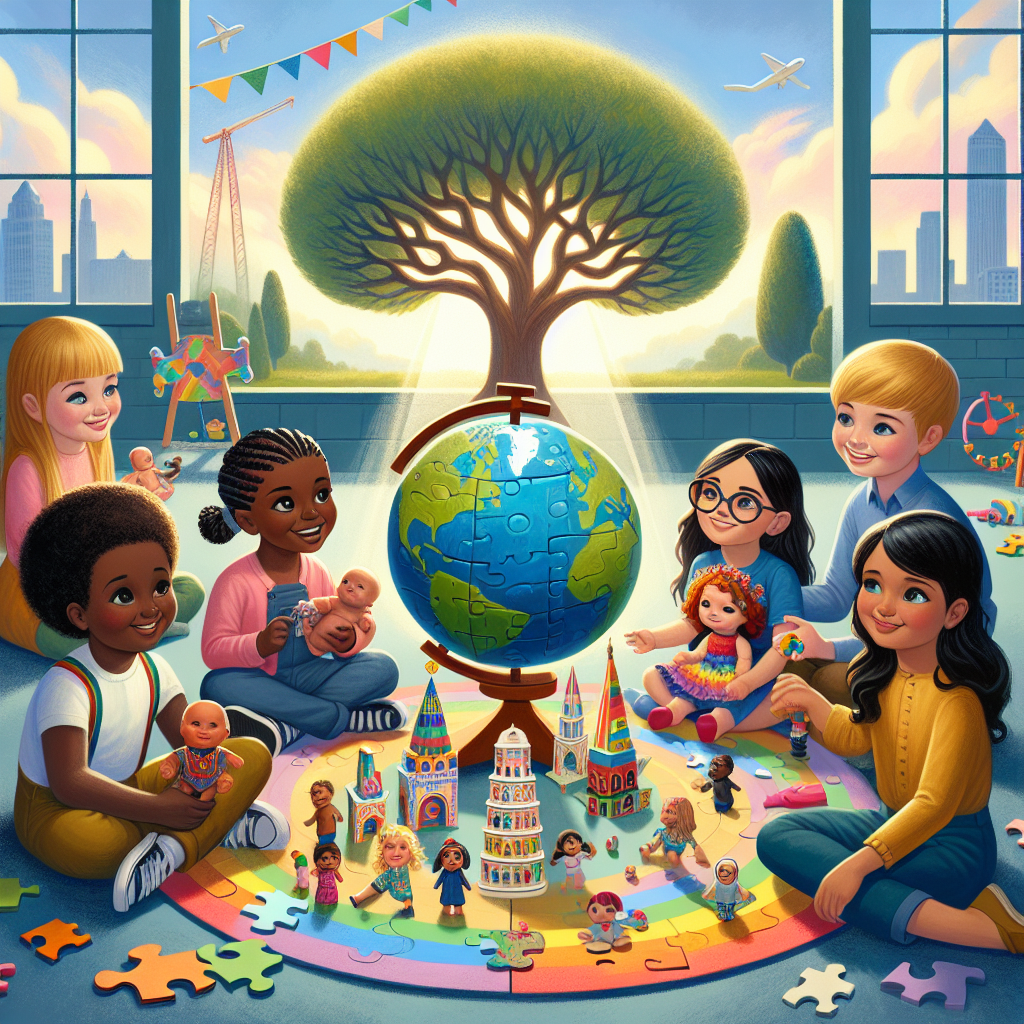
Moreover, toys that reflect a child’s own identity can boost their self-esteem and sense of belonging. When children see themselves represented in their toys, it validates their existence and experiences, fostering a positive self-image.
Features of Inclusive Toys
When selecting toys that promote inclusivity, consider the following features:
Diverse Representation
Look for toys that represent a wide range of ethnicities, cultures, and backgrounds. Dolls and action figures should come in various skin tones, hair textures, and cultural attire. This diversity allows children to see the beauty in differences and promotes cultural awareness.
Accessibility
Inclusive toys should be accessible to children with different abilities. Look for toys designed with universal accessibility in mind, such as those with braille, large print, or easy-to-grasp pieces. This ensures that all children can participate in play, regardless of their physical or cognitive abilities.
Non-Gendered Options
Move away from traditional gendered toys and opt for those that promote open-ended play. Toys that encourage creativity and problem-solving, like building blocks or art supplies, are excellent choices for all children. This helps break down gender stereotypes and encourages children to explore their interests freely.
Popular Inclusive Toy Brands
Several brands are leading the charge in creating inclusive toys. Here are a few to consider:
LEGO
LEGO has made significant strides in promoting inclusivity through its diverse range of minifigures and sets. They offer figures with varying skin tones, abilities, and professions, encouraging children to imagine a world full of possibilities.
American Girl
American Girl dolls are known for their rich backstories and diverse representation. These dolls come in a variety of ethnicities and have accessories that reflect different cultural traditions and historical periods.
Mattel’s Barbie
Barbie has undergone a transformation over the years, offering dolls that represent different body types, skin tones, and abilities. Their “Fashionista” line includes dolls with wheelchairs, prosthetic limbs, and hearing aids, making playtime more inclusive.
Tips for Selecting Inclusive Toys
Choosing the right toys can be overwhelming, but these tips can help guide your decision:
Research Brands and Products
Before purchasing, research brands that prioritize inclusivity. Look for reviews and recommendations from other parents and educators who value diversity in toys.
Consider Your Child’s Interests
Select toys that align with your child’s interests and hobbies while also broadening their perspectives. For example, if your child loves storytelling, consider diverse books or puppets that introduce them to different cultures.
Engage in Open Conversations
Use toys as a springboard for discussions about diversity and inclusivity. Encourage your child to ask questions and express their thoughts. This dialogue is essential in building their understanding and acceptance of differences.
Conclusion
Choosing toys that foster inclusivity is an investment in your child’s future. By prioritizing toys that embrace diversity, you help nurture a generation that values empathy, acceptance, and understanding. Remember, the goal is not just to fill toy boxes but to enrich your child’s world with meaningful play. 🌍💫
FAQs
Q: Why are inclusive toys important?
A: Inclusive toys help children understand and appreciate diversity, fostering empathy and social skills from an early age.
Q: What should I look for in an inclusive toy?
A: Look for toys that offer diverse representation, accessibility, and non-gendered options, ensuring they cater to a wide range of abilities and backgrounds.
Q: Can you recommend any specific brands?
A: Brands like LEGO, American Girl, and Mattel’s Barbie have made strides in creating inclusive toys that reflect diverse identities and experiences.
Q: How can I use toys to teach my child about diversity?
A: Engage in open conversations with your child using toys as a tool to discuss different cultures, abilities, and family structures.
By choosing inclusive toys, you are not only enhancing playtime but also contributing to a more inclusive and understanding world. Happy playing! 🎉
