
How to Create a Scavenger Hunt Using Toys: A Fun and Engaging Guide
Scavenger hunts are a timeless way to entertain and engage children. They spark creativity, encourage problem-solving, and provide a sense of adventure. But have you ever thought about using toys to elevate the excitement of your scavenger hunt? This guide will walk you through creating an unforgettable scavenger hunt using toys, ensuring hours of fun and learning. 🧸🔍
Table of Contents
1. Introduction
2. Why Use Toys in a Scavenger Hunt?
3. Planning Your Toy Scavenger Hunt
4. Toy Selection Tips
5. Crafting Clues and Challenges
6. Setting Up the Hunt
7. Conclusion
8. FAQs
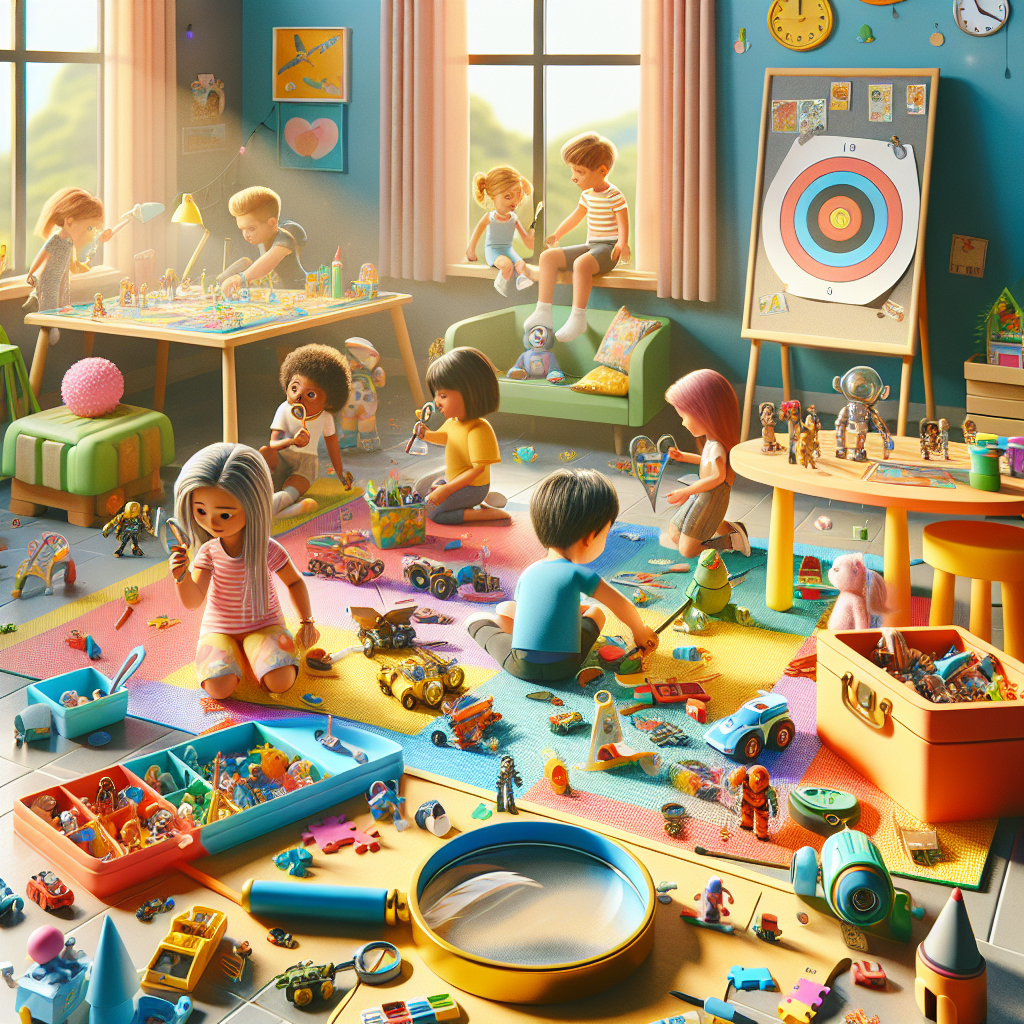
Why Use Toys in a Scavenger Hunt?
Toys are not just objects of play; they can transform an ordinary scavenger hunt into a magical adventure. Here’s why incorporating toys is a great idea:
1. Familiarity and Engagement: Kids are naturally drawn to their toys, making them an excellent anchor for engagement. Familiar objects can provide comfort and excitement simultaneously.
2. Versatility: From action figures to puzzle pieces, toys come in various forms, each offering unique opportunities for creative challenges and clues.
3. Educational Value: Toys can be used as tools for learning. Incorporating educational toys can make the hunt both fun and informative, enhancing cognitive skills.
Planning Your Toy Scavenger Hunt
A successful scavenger hunt requires some planning to ensure smooth execution and maximum fun. Here’s how to get started:
1. Define the Objective: Decide on the purpose of the hunt. Is it purely for fun, or do you want to incorporate educational elements? Knowing this will guide your choices in toys and clues.
2. Determine the Age Group: Tailor the complexity of the hunt to suit the age and ability of the participants. Younger kids may need simpler clues, while older kids can handle more challenging tasks.
3. Choose a Theme: A theme can add an extra layer of excitement. Whether it’s a pirate adventure, a space mission, or a jungle expedition, a cohesive theme ties the hunt together.
Toy Selection Tips
Choosing the right toys is critical to the success of your scavenger hunt. Here are some tips:
1. Diversity: Include a variety of toys to cater to different interests and keep the hunt dynamic. Consider plush toys, building blocks, action figures, and educational toys.
2. Size and Portability: Ensure that the toys are easy to hide and transport. Smaller toys are ideal as they can be concealed in various spots, increasing the challenge.
3. Condition: Use toys that are in good condition to prevent any disappointment. This is especially important if the toys are part of the reward.
Crafting Clues and Challenges
The clues and challenges are the heart of the scavenger hunt. Here’s how to make them engaging:
1. Riddles and Rhymes: Use rhymes and riddles to create clues that are both fun and challenging. This encourages kids to think critically and solve problems.
2. Toy-Based Tasks: Incorporate tasks that involve the toys themselves, like building something with blocks or arranging puzzle pieces to reveal a clue.
3. Visual and Auditory Cues: Use pictures or sounds as part of the clues to engage different senses and add variety to the hunt.
Setting Up the Hunt
Once you have your toys and clues ready, it’s time to set up the hunt:
1. Choose a Location: Decide where the hunt will take place. It could be indoors, outdoors, or both, depending on the weather and available space.
2. Test the Hunt: Before the actual event, run through the hunt to ensure that all clues are visible and accessible and that the sequence makes sense.
3. Safety First: Ensure that the hunt area is safe, with no hazards that could cause harm to the participants.
Conclusion
Creating a scavenger hunt using toys is a fantastic way to foster creativity, encourage teamwork, and provide educational fun. By carefully selecting toys, crafting clever clues, and setting up a safe and engaging environment, you can create a memorable experience that kids will cherish. So gather your toys, put on your thinking cap, and prepare for an adventure like no other! 🚀🎯
FAQs
Q: What age group is best suited for a toy scavenger hunt?
A: Toy scavenger hunts can be adapted for any age group, from toddlers to pre-teens. Just adjust the complexity of the clues and challenges accordingly.
Q: How many toys should I include in the hunt?
A: The number of toys can vary based on the size of the group and the length of the hunt. Aim for at least 5-10 toys to keep the hunt engaging.
Q: Can I include educational toys in the scavenger hunt?
A: Absolutely! Educational toys can enhance the learning aspect of the hunt, making it both fun and informative.
Q: How long should the scavenger hunt last?
A: The ideal duration is between 30 to 60 minutes, depending on the age group and the complexity of the hunt.
