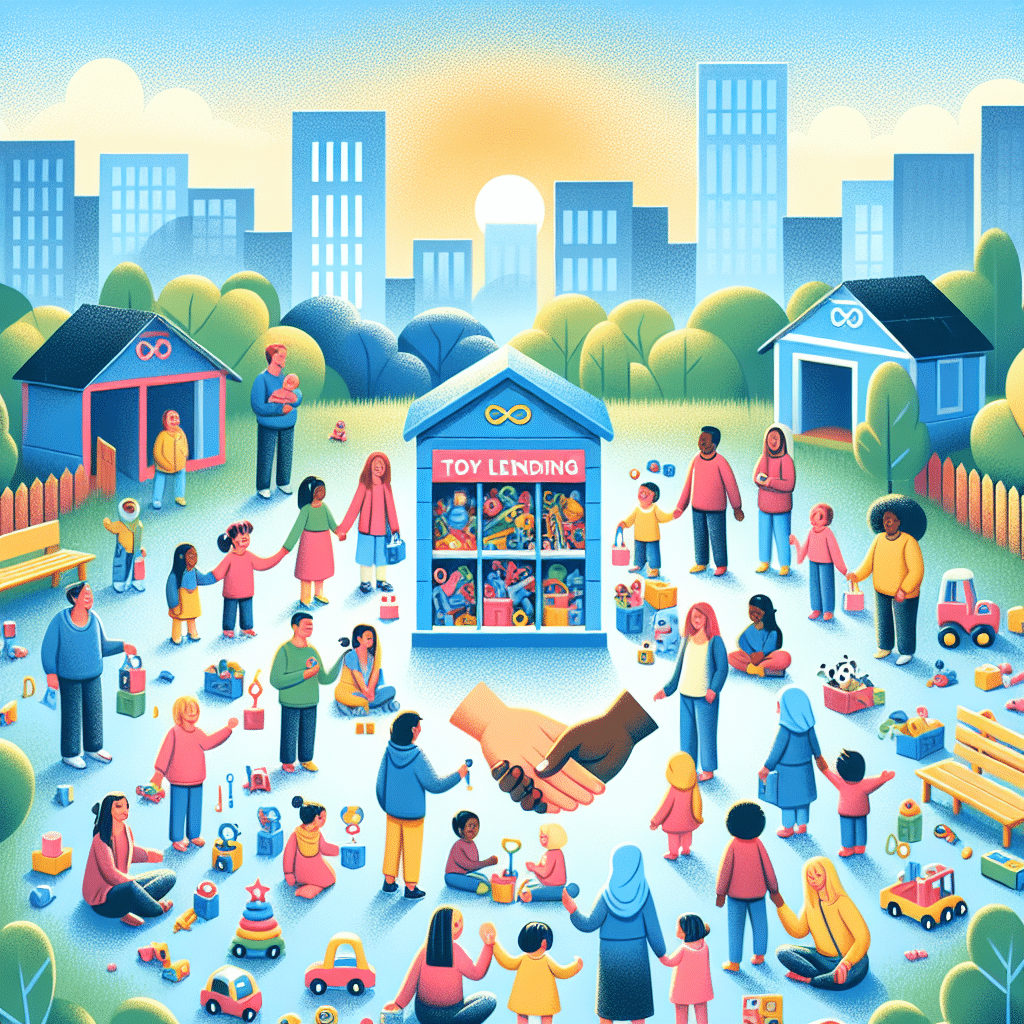
How to Create a Toy Lending Network in Your Community
In today’s world, where sustainability and community spirit are at the forefront of many people’s minds, creating a toy lending network is a fantastic way to promote sharing, reduce waste, and bring people together. This guide will walk you through the process of setting up a successful toy lending network right in your own neighborhood.
Table of Contents
1. Introduction
2. Understanding the Benefits of a Toy Lending Network
3. Planning Your Toy Lending Network
4. Gathering Toys and Resources
5. Establishing Rules and Guidelines
6. Promoting Your Toy Lending Network
7. Maintaining and Growing the Network
8. Conclusion
9. FAQs

Understanding the Benefits of a Toy Lending Network
Before diving into the logistics, it’s crucial to understand why a toy lending network is beneficial:
💡 Promotes Sharing: Encourages children to share and learn the value of borrowing and returning items.
🌱 Environmental Impact: Reduces waste by reusing toys, decreasing the need for constant new purchases.
👥 Community Building: Fosters connections among local families and creates a close-knit community.
💰 Cost-Effective: Saves families money by reducing the need to buy new toys regularly.
Planning Your Toy Lending Network
Starting a toy lending network requires careful planning. Here’s how to get started:
Identify Your Goals: Determine the purpose and scope of your network. Is it for a small group or the entire community?
Choose a Location: Decide on a central, accessible place to host the toys, such as a community center or a volunteer’s home.
Set a Timeline: Establish a timeline for launching the network, including planning meetings and a kickoff event.
Gathering Toys and Resources
Collecting toys and necessary resources is a crucial step in starting your network:
Organize a Toy Drive: Host a community event to gather toys. Encourage donations from local businesses and residents.
Check for Safety: Ensure all toys are in good condition and safe for children, following safety standards.
Catalog the Collection: Create an inventory list with details of each toy for easy tracking and management.
Establishing Rules and Guidelines
To maintain order and fairness, establish clear rules and guidelines:
Borrowing Limits: Set limits on the number of toys one can borrow at a time and the borrowing period.
Responsibility Agreement: Have participants sign an agreement to take care of the toys and return them on time.
Late Fees and Damages: Decide on policies for late returns or damaged toys to ensure accountability.
Promoting Your Toy Lending Network
Once your network is set up, it’s time to spread the word:
Leverage Social Media: Use platforms like Facebook and Instagram to reach a wider audience and share updates.
Community Events: Host events or workshops to engage with the community and attract more participants.
Collaborate with Local Schools: Partner with nearby schools to promote the network among students and parents.
Maintaining and Growing the Network
To ensure long-term success, focus on maintenance and growth:
Regular Check-Ins: Schedule regular meetings to discuss the network’s progress and address any issues.
Feedback Loop: Encourage feedback from participants to continually improve the network.
Expand Inventory: Keep the collection fresh by adding new toys through donations or community purchases.
Conclusion
Creating a toy lending network in your community is not only a rewarding endeavor but also a meaningful way to promote sustainability and connection. By following these steps, you can successfully launch and maintain a network that benefits families and fosters a spirit of sharing and cooperation. So, gather your neighbors, collect those toys, and start building a brighter, more connected future for your community! 🌟
FAQs
Q: How do I start a toy lending network if I don’t have a large space?
A: Consider using a small room in a community building, or rotate storage among volunteers’ homes.
Q: What if some toys are not returned?
A: Implement a tracking system and have clear policies for unrecovered items to minimize losses.
Q: How can I keep the network inclusive?
A: Make sure the network is open to all families, and communicate in multiple languages if necessary to reach diverse groups.
