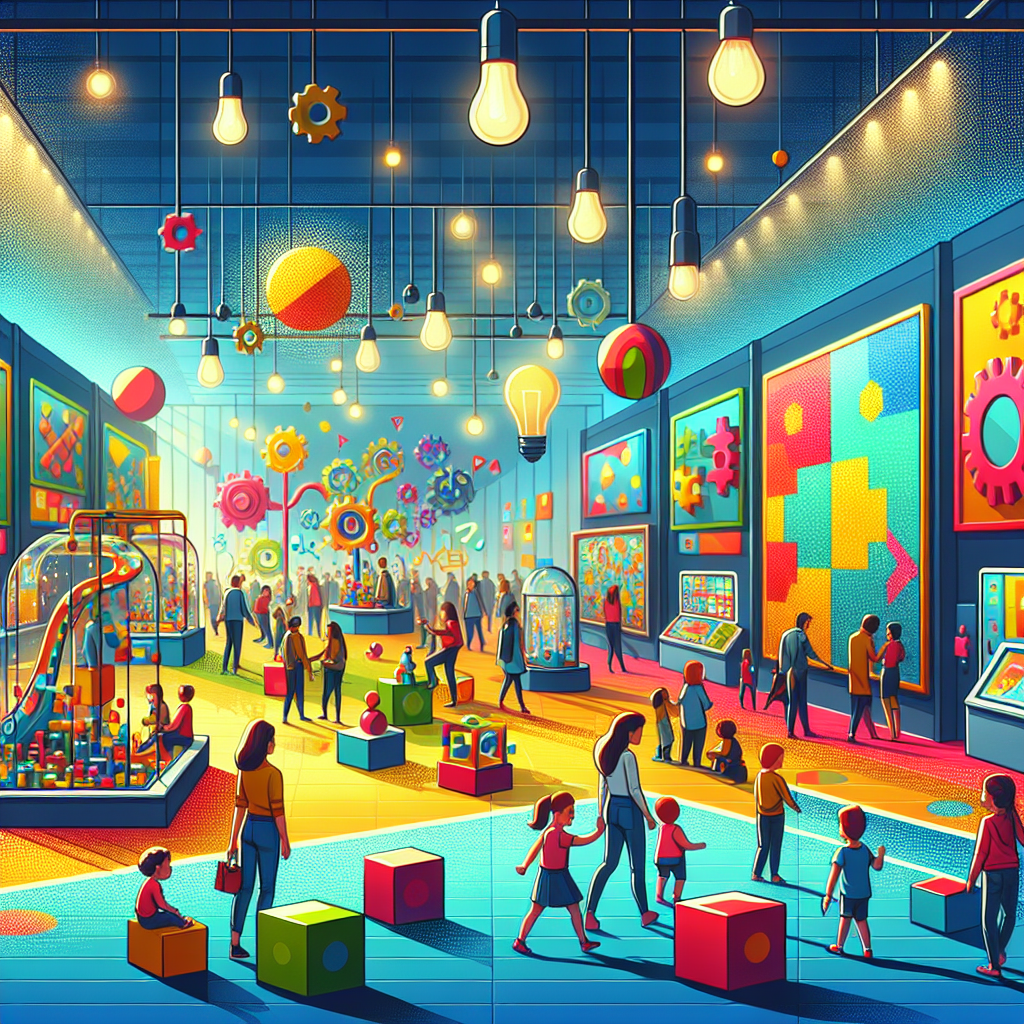
How to Create an Interactive Toy Exhibit
Interactive toy exhibits are a fantastic way to engage children and adults alike, sparking creativity and joy. Whether you’re planning an exhibit for a museum, a library, or a community center, making it interactive will ensure that it leaves a lasting impression. In this blog post, we’ll explore the steps to create an interactive toy exhibit that is both fun and educational. Let’s dive in! 🎉
Table of Contents
1. Introduction
2. Understanding Your Audience
3. Choosing the Right Toys
4. Designing the Exhibit Space
5. Incorporating Technology
6. Enhancing Interactivity
7. Safety Considerations
8. Conclusion
9. FAQs
Understanding Your Audience
Before you start planning your interactive toy exhibit, it’s crucial to understand your target audience. Are you catering to young children, teenagers, or families? Each group will have different expectations and interests.
For younger children, focus on bright colors and simple, intuitive play. Teenagers might appreciate more challenging tasks or tech-driven experiences. Families often look for activities that can be enjoyed together.
Choosing the Right Toys
Once you’ve identified your audience, it’s time to select the toys. Your choices should align with the theme and purpose of your exhibit.
Consider including a mix of classic toys that evoke nostalgia and modern toys that incorporate new technologies. Each toy should offer a hands-on experience, encouraging exploration and play.
Don’t forget to consider the educational value of each toy. Can they teach problem-solving, creativity, or cooperation? Look for toys that offer these benefits while being fun and engaging.
Designing the Exhibit Space
The layout of your exhibit space can significantly impact the visitor experience. Here are some tips for designing an effective exhibit layout:
1. **Flow:** Ensure there’s a logical flow through the exhibit, guiding visitors from one display to the next.
2. **Space:** Provide enough space around each display for children to play and adults to observe comfortably.
3. **Accessibility:** Make sure the exhibit is accessible to all visitors, including those with disabilities.
4. **Aesthetics:** Use vibrant colors and engaging visuals to create an inviting atmosphere.
Incorporating Technology
Technology can add a new dimension to your toy exhibit, making it more interactive and appealing to tech-savvy visitors. Consider incorporating elements like:
1. **Augmented Reality (AR):** Use AR apps to bring toys to life with digital overlays.
2. **Interactive Screens:** Install touchscreens with games or information about the toys.
3. **QR Codes:** Provide QR codes that link to videos or additional content about the toys.
Enhancing Interactivity
To make your exhibit truly interactive, think about how visitors can engage with the toys beyond just observing them.
1. **Hands-On Play:** Encourage visitors to touch and play with the toys. Interactive play is key to an engaging exhibit.
2. **Workshops:** Host workshops where visitors can build or modify toys, fostering creativity and learning.
3. **Storytelling:** Use storyboards or guides to create narratives around the toys, enhancing the immersive experience.
Safety Considerations
Safety is paramount, especially when children are involved. Here are some essential safety tips:
1. **Age Appropriateness:** Ensure all toys are suitable for the intended age group.
2. **Supervision:** Provide staff or volunteers to supervise play areas and assist visitors.
3. **Hygiene:** Regularly clean toys and surfaces to maintain a hygienic environment.
Conclusion
Creating an interactive toy exhibit is a rewarding endeavor that can bring joy and education to many. By understanding your audience, choosing the right toys, and designing an engaging space, you can create an exhibit that is both memorable and meaningful. Remember, the key to success is interactivity—so let creativity and play lead the way! 🚀
FAQs
Q1: How can I make my toy exhibit more engaging for teenagers?
A: Incorporate technology like virtual reality or challenging puzzles that require teamwork. Interactive digital displays can also capture their interest.
Q2: What safety measures should I implement for a toy exhibit?
A: Ensure all toys are age-appropriate, provide supervision, and maintain hygiene by regularly cleaning toys and surfaces.
Q3: How do I measure the success of my toy exhibit?
A: Track visitor numbers and feedback, observe engagement levels, and use surveys to gather insights on visitor satisfaction.
By following these guidelines, you’re well on your way to creating a vibrant and interactive toy exhibit that delights visitors of all ages! 🎈
