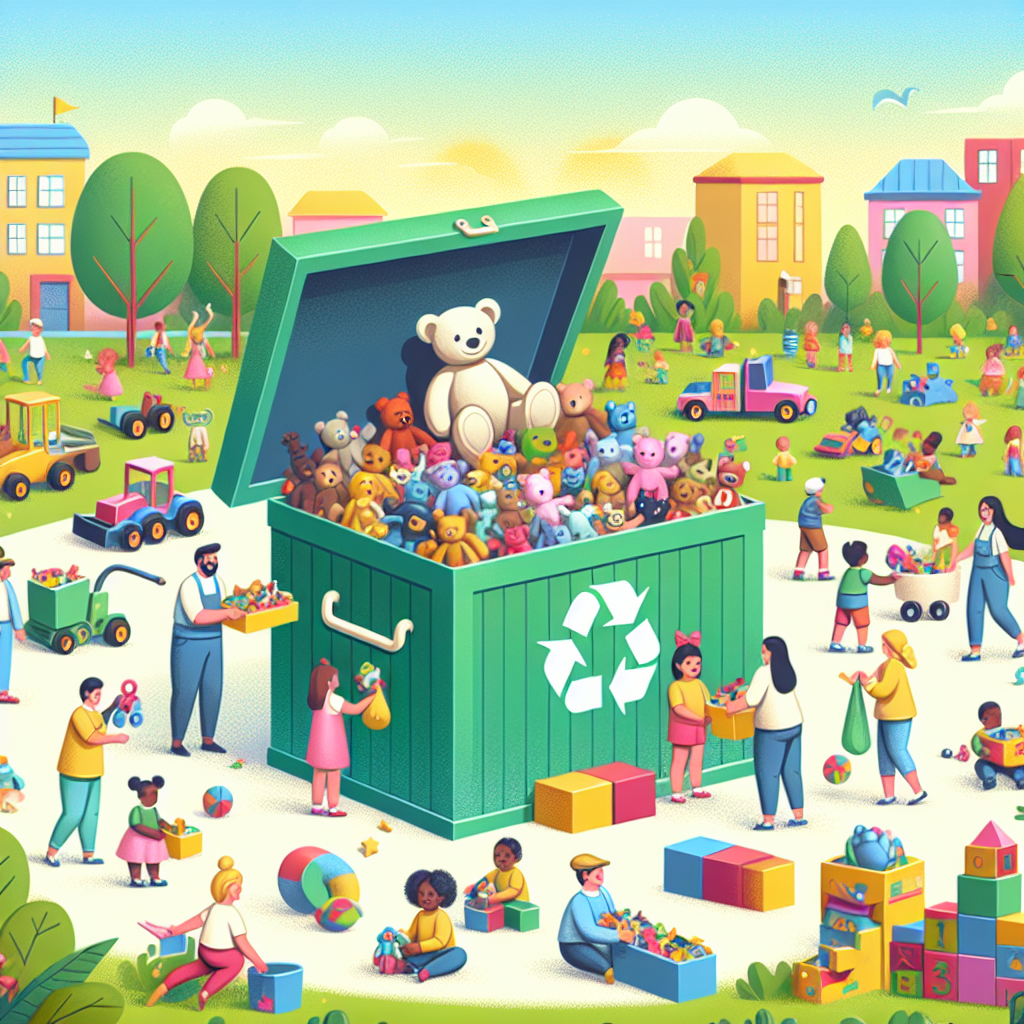
How to Establish a Toy Recycling Program: A Comprehensive Guide
Did you know that over 80% of toys end up in landfills, contributing significantly to environmental pollution? Establishing a toy recycling program can be a game-changer, helping reduce waste and promote sustainability. Whether you’re a community leader, a school principal, or a concerned parent, this guide will walk you through every step of setting up a successful toy recycling initiative. 🎉
Table of Contents
1. Introduction
2. Understanding the Importance of Toy Recycling
3. Getting Started: Planning Your Program
4. Building Partnerships and Collaborations
5. Handling Logistics: Collection, Sorting, and Processing
6. Raising Awareness and Engaging the Community
7. Conclusion
8. FAQs
Introduction
Imagine a world where every toy has a second life, inspiring joy in multiple families while avoiding the landfill. This isn’t just a dream; it’s a feasible goal with the right steps. Establishing a toy recycling program is not only environmentally responsible but also a means to foster a sense of community and sustainability. Let’s dive into how you can make this a reality. 🌍
Understanding the Importance of Toy Recycling
Before launching into the logistics, it’s crucial to grasp why toy recycling is so vital. Toys are often made from a mix of plastics, metals, and textiles, which can take hundreds of years to decompose. Moreover, their production process is resource-intensive. By recycling toys, we can:
– Reduce environmental impact 🌱
– Conserve resources by reusing materials
– Provide toys to underprivileged children
– Educate communities about sustainability
Getting Started: Planning Your Program
Every successful project begins with a solid plan. Here’s a step-by-step approach to kickstart your toy recycling program:
1. Define Your Goals: What do you want to achieve? Is it reducing landfill waste, providing toys to charities, or raising awareness about recycling?
2. Identify Your Target Audience: Decide who will participate in your program. Schools, neighborhood associations, and local businesses can be great starting points.
3. Set a Timeline: Establish a realistic timeline for launching and running your program. Consider seasonal events like Earth Day for a launch date.
Building Partnerships and Collaborations
Collaboration is key to expanding your program’s reach and impact. Here’s how you can form meaningful partnerships:
1. Local Businesses and Toy Stores: Approach local toy stores to set up collection bins. They might also be willing to sponsor or promote your initiative.
2. Charities and Nonprofits: Partner with organizations that can help distribute the toys to children in need. This adds a charitable component to your program.
3. Recycling Facilities: Collaborate with recycling centers to ensure that toys are processed correctly and efficiently.
Handling Logistics: Collection, Sorting, and Processing
Once your partnerships are in place, it’s time to manage the logistics:
1. Collection: Set up easily accessible drop-off points in community centers, schools, and stores. Ensure they are clearly marked and well-promoted.
2. Sorting: Organize volunteer days to sort through collected toys. Separate them based on condition—those that can be reused, repaired, or recycled.
3. Processing: Work with recycling partners to disassemble and recycle toys that are beyond repair. For reusable toys, ensure they are cleaned and safe for redistribution.
Raising Awareness and Engaging the Community
Community engagement is crucial for the sustainability of your program. Here’s how you can get the word out:
1. Social Media Campaigns: Use platforms like Facebook, Instagram, and Twitter to promote your initiative. Share stories, progress, and impacts with engaging visuals.
2. Educational Workshops: Host workshops at schools and community centers to educate the public about the benefits of recycling.
3. Celebrate Successes: Organize community events to celebrate milestones. Recognize participants and share the positive impacts achieved. 🎊
Conclusion
Setting up a toy recycling program is a rewarding endeavor that benefits the environment, supports communities, and educates the next generation about sustainability. With thoughtful planning, strategic partnerships, and active community engagement, your program can make a significant difference. Let’s work together to turn toys into treasures, one recycling bin at a time! 🌟
FAQs
1. What types of toys can be recycled?
Most toys can be recycled, especially those made of plastic, metal, or textiles. Avoid toys with electronic components unless you have specific e-waste facilities in your program.
2. How can I encourage my community to participate?
Engage your community through social media, local events, and partnerships with schools and businesses. Offering incentives, like discounts at local stores for participants, can also boost involvement.
3. What are the costs involved in starting a toy recycling program?
Costs can vary depending on the scale of your program. Initial expenses may include collection bins, promotional materials, and transportation. Seek sponsorships and grants to offset these costs.
With determination, creativity, and collaboration, your toy recycling program can become a beacon of sustainability and community spirit. 🌈
