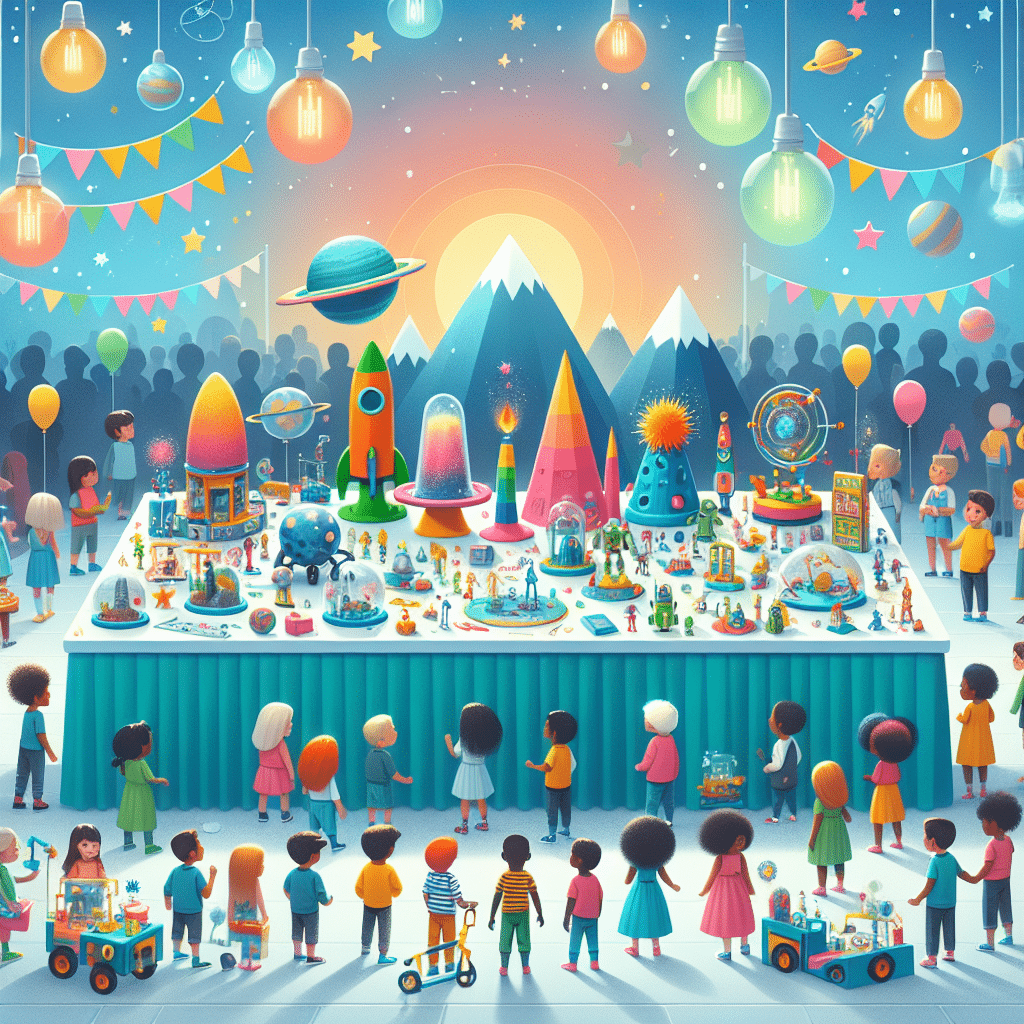
How to Host a Toy Science Fair: A Fun and Educational Experience 🎉
Hosting a toy science fair is a fantastic way to inspire young minds, engage children in scientific exploration, and foster a love for learning. Whether you’re a teacher, a parent, or a community leader, organizing such an event can be a rewarding experience for everyone involved. In this blog post, we’ll guide you through the steps of planning and executing a successful toy science fair that will leave participants eagerly anticipating the next one.
Table of Contents
1. Introduction
2. Planning Your Toy Science Fair
3. Choosing the Right Toys
4. Organizing the Event
5. Judging and Awards
6. Conclusion
7. FAQs
Planning Your Toy Science Fair
The foundation of a successful toy science fair lies in careful planning. Start by setting a clear vision and goals for the event. Consider the age group of participants, the scale of the event, and the resources available. This will help you tailor the fair to suit your audience’s needs and interests.
Here are some key points to consider while planning:
Budget and Funding: Determine if you’ll need external funding or if the event will be covered by school or community resources. Consider reaching out to local businesses for sponsorships or donations.
Venue: Choose a location that can accommodate your expected number of participants and spectators. School gyms, community centers, or even outdoor spaces can work well, depending on the weather.
Date and Time: Select a date that doesn’t conflict with other local events or holidays. Consider holding the fair on a weekend to maximize participation.
Choosing the Right Toys
One of the most exciting aspects of a toy science fair is selecting toys that will captivate the imagination of young scientists. The key is to choose toys that are not only fun but also educational. Here are some tips for selecting the right toys:
Educational Value: Opt for toys that demonstrate scientific principles, such as magnetism, gravity, or simple machines. These toys can include building sets, science kits, or even household items that can be transformed into experiments.
Age Appropriateness: Ensure the toys are suitable for the age group of your participants. Younger children may benefit from simpler toys, while older kids can handle more complex projects.
Safety: Safety should always be a priority. Make sure all toys and experiments are safe for children to handle, and provide adult supervision when necessary.
Organizing the Event
With the planning underway and toys selected, it’s time to focus on organizing the event itself. Here’s a step-by-step guide to ensure your toy science fair runs smoothly:
Registration: Set up an easy-to-use registration process for participants. This could be an online form or a sign-up sheet at school or community centers.
Layout and Setup: Arrange tables or booths for each participant to display their projects. Ensure there is enough space for spectators to move around comfortably.
Schedule: Create a schedule that includes set-up time, presentation time for each participant, judging, and awards ceremony. This helps keep the event organized and ensures that everyone knows what to expect.
Promotion: Promote the event through flyers, social media, and local community boards to attract attendees and participants.
Judging and Awards
Recognizing the efforts of participants is an essential part of any science fair. It encourages young scientists and adds an element of excitement to the event. Here’s how you can manage judging and awards:
Criteria: Develop clear judging criteria that evaluate creativity, scientific understanding, presentation, and overall impact. Share these criteria with participants ahead of time.
Judges: Invite knowledgeable judges from the community, such as teachers, local scientists, or university students. Ensure they understand the criteria and the importance of encouraging young learners.
Awards: Consider having multiple award categories, such as “Most Innovative,” “Best Presentation,” and “Audience Favorite.” This allows for more participants to be recognized and celebrated.
Conclusion
Hosting a toy science fair is an enriching experience that can spark a lifelong interest in science and discovery among young participants. With careful planning, the right selection of toys, and a well-organized event, you can create an engaging and educational environment for children to explore and showcase their scientific prowess. So, gather your toys, rally your community, and get ready to inspire the next generation of scientists! 🚀
FAQs
Q: What age group is suitable for a toy science fair?
A: Toy science fairs can be tailored for children of all ages, from preschoolers to middle school students. The key is to select age-appropriate toys and experiments.
Q: How long should a toy science fair last?
A: The duration of the fair can vary depending on the number of participants and the complexity of the projects. Typically, a few hours should suffice, but it can be extended if needed.
Q: What is the role of adults during the fair?
A: Adults can help supervise the event, assist with setup and cleanup, and ensure the safety of participants. They can also serve as judges or mentors to encourage the young scientists.
