How to Organize a Toy-Based Fundraiser for Schools: A Complete Guide to Success 🎁
Table of Contents
1. Introduction
2. Why Choose a Toy-Based Fundraiser?
3. Planning Your School Toy Fundraiser
4. Types of Toy Fundraisers That Work
5. Setting Up Your Fundraising Event
6. Marketing Your Toy Fundraiser
7. Managing Donations and Volunteers
8. Safety and Legal Considerations
9. Maximizing Your Fundraising Success
10. Post-Event Follow-up
11. Conclusion
12. Frequently Asked Questions
Introduction
Picture this: children’s eyes lighting up as they discover the perfect toy, parents feeling good about supporting their school, and your fundraising goals being met with smiles all around. That’s the magic of a well-organized toy-based fundraiser! 🌟
School fundraising doesn’t have to be another boring bake sale or car wash. Toy-based fundraisers offer a refreshing alternative that brings joy to families while raising essential funds for your school’s programs. Whether you’re looking to fund new playground equipment, classroom supplies, or extracurricular activities, organizing a toy fundraiser can be both profitable and fun.
In this comprehensive guide, we’ll walk you through everything you need to know about planning, executing, and maximizing the success of your school’s toy-based fundraiser. From choosing the right type of event to managing volunteers and ensuring safety, you’ll have all the tools needed to create a memorable and successful fundraising experience.
Why Choose a Toy-Based Fundraiser? 🧸
Toy fundraisers have gained popularity in recent years, and for good reason. Unlike traditional fundraising methods, toy-based events offer unique advantages that benefit both your school and the community.
First, toys have universal appeal. Every family with children needs toys, whether for birthdays, holidays, or just because. This broad market means you’re likely to attract more participants than with specialized fundraising products. Additionally, toys often have higher perceived value than typical fundraising items, allowing you to set competitive prices while still generating substantial profits.
Another significant advantage is the emotional connection. Parents and grandparents love seeing children happy, and toys deliver that instant gratification. When families purchase toys at your fundraiser, they’re not just supporting your school – they’re also getting something that will bring joy to their own children.
Toy fundraisers also tend to generate more excitement and buzz within the school community. Children become natural ambassadors, talking about the event with their friends and families, which helps spread awareness organically.
Planning Your School Toy Fundraiser 📋
Successful toy fundraisers don’t happen by accident – they require careful planning and attention to detail. Start by forming a dedicated committee of enthusiastic volunteers who can help with various aspects of the event.
Begin your planning process at least 8-12 weeks before your intended event date. This timeline allows adequate time for sourcing toys, securing venues, recruiting volunteers, and promoting the event effectively. Consider your school calendar carefully, avoiding conflicts with major school events, holidays, or other community activities.
Budget planning is crucial for your fundraiser’s success. Determine how much you can invest upfront in toy inventory, venue costs, and promotional materials. Many successful toy fundraisers operate on a 40-60% profit margin, meaning if you sell $1000 worth of toys, you might expect to net $400-600 for your school after expenses.
Establish clear goals for your fundraiser. Are you aiming to raise a specific dollar amount? Do you want to engage a certain number of families? Having concrete objectives helps guide your decision-making throughout the planning process and provides a benchmark for measuring success.
Types of Toy Fundraisers That Work 🎯
Several different formats can work well for school toy fundraisers, each with its own advantages and considerations.
Toy Sales Events are perhaps the most straightforward approach. You purchase toys wholesale and resell them at your event, keeping the profit for your school. This format works particularly well for holiday shopping events or back-to-school sales.
Toy Drives with a Twist combine fundraising with community service. Families can either donate toys directly or make monetary donations that your committee uses to purchase toys for local charities. This approach appeals to families who want to give back while supporting your school.
Interactive Toy Experiences go beyond simple sales. Consider hosting a “Toy Testing Day” where families pay an admission fee to try out various toys and games. You can partner with local toy stores or manufacturers who might provide demonstration products.
Online Toy Fundraisers have become increasingly popular, especially since the pandemic. Partner with companies that offer online toy catalogs where supporters can purchase items, with a percentage of sales going to your school. This format extends your reach beyond your immediate school community.
Setting Up Your Fundraising Event 🏫
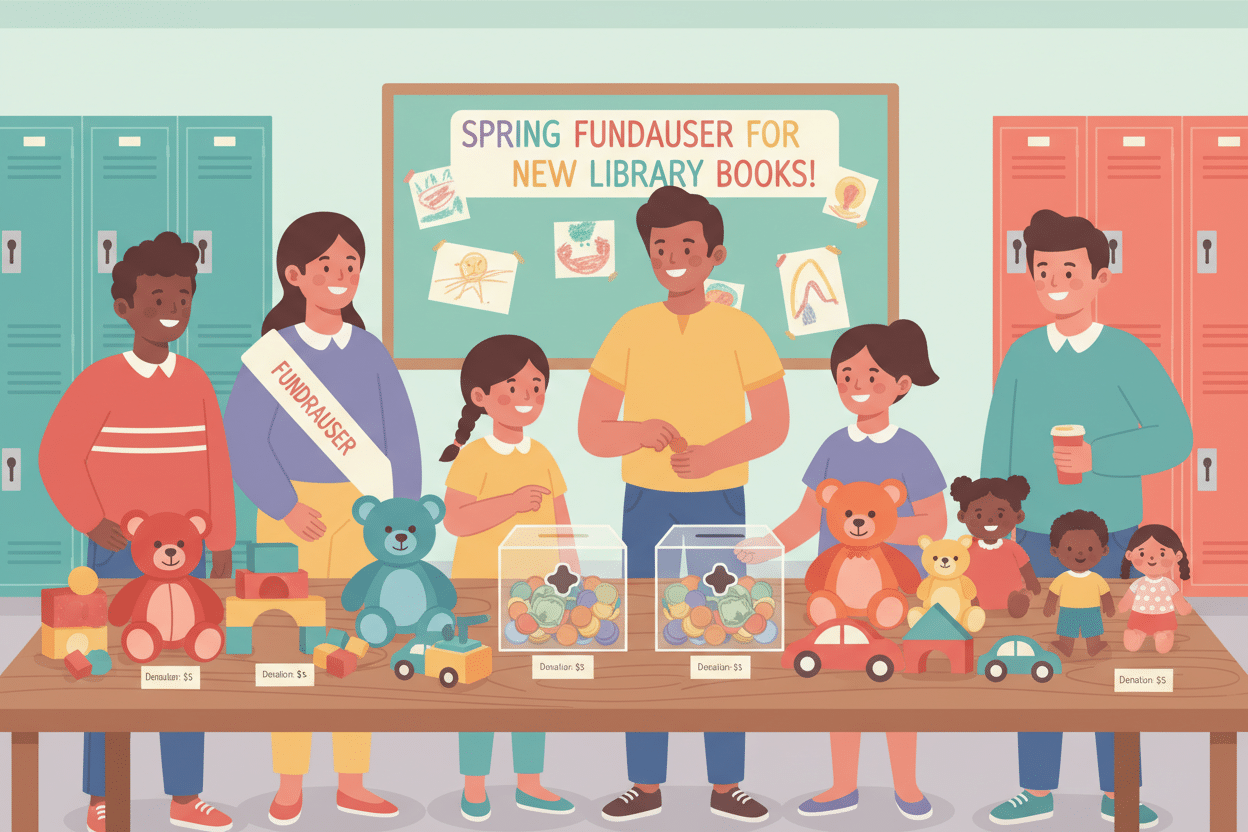
The logistics of your toy fundraiser can make or break its success. Start by securing an appropriate venue – your school gymnasium, cafeteria, or multipurpose room often work well. Ensure you have adequate space for displaying toys, processing payments, and accommodating crowds.
Create an organized layout that makes shopping easy and enjoyable. Group similar toys together – puzzles in one area, outdoor toys in another, educational games in a third section. Use clear signage and pricing to help customers navigate efficiently. Consider the flow of foot traffic to avoid bottlenecks and ensure a pleasant shopping experience.
Payment processing is a critical consideration in today’s increasingly cashless society. While cash is still important, be prepared to accept credit cards, mobile payments, and digital transactions. Many schools use simple card readers connected to tablets or smartphones to process electronic payments seamlessly.
Staffing your event properly ensures smooth operations. Plan for volunteers to handle different roles: greeters, cashiers, toy demonstrators, and general helpers. Brief all volunteers on pricing, policies, and procedures before the event begins. Having enthusiastic, knowledgeable volunteers can significantly enhance the customer experience.
Marketing Your Toy Fundraiser 📢
Even the best-planned toy fundraiser won’t succeed without effective marketing. Start promoting your event early and use multiple channels to reach your target audience.
School newsletters and email lists are your primary communication tools. Create eye-catching announcements that highlight the date, time, location, and what makes your toy fundraiser special. Include photos of sample toys or previous successful events to generate excitement.
Social media platforms offer powerful marketing opportunities. Create event pages on Facebook, share updates on Instagram, and encourage families to spread the word. User-generated content, such as photos of children with toys from previous fundraisers, can be particularly effective.
Don’t overlook traditional marketing methods. Flyers sent home with students, announcements at school events, and word-of-mouth promotion through parent networks remain highly effective. Consider creating a simple website or landing page with event details that people can easily share.
Partner with local businesses and community organizations to expand your reach. Many businesses are happy to display flyers or share information about school fundraisers on their social media channels.
Managing Donations and Volunteers 👥
Effective volunteer management is essential for a smooth-running toy fundraiser. Start recruiting volunteers early, clearly communicating time commitments and responsibilities. Many parents are willing to help but need advance notice to arrange their schedules.
Create detailed job descriptions for different volunteer roles. Cashiers need basic math skills and patience with customers. Setup crews should be physically able to lift boxes and arrange displays. Breakdown teams help with post-event cleanup and inventory management.
If you’re accepting toy donations from families, establish clear guidelines about what types of toys you can accept. New or gently used toys in good condition are typically appropriate, but you’ll need policies about recalled items, broken toys, or items missing pieces.
Implement a simple tracking system for donations and sales. This helps with inventory management during the event and provides valuable data for planning future fundraisers. Simple spreadsheets or apps can help volunteers track what’s selling well and what might need price adjustments.
Safety and Legal Considerations ⚖️
Safety should be a top priority for any school fundraising event. Research toy safety regulations and ensure all items you’re selling meet current safety standards. Be particularly careful with toys intended for young children, checking for small parts that could pose choking hazards.
Verify that any donated toys haven’t been subject to safety recalls. The Consumer Product Safety Commission maintains databases of recalled products that you can check before accepting or selling items.
Consider liability issues and ensure your school’s insurance covers fundraising events. Some schools require additional insurance for events involving outside vendors or large crowds. Consult with your school administration and district policies before finalizing your plans.
Establish clear policies about returns, exchanges, and damaged items. While you want to be reasonable with customers, you also need to protect your fundraising profits. Having written policies helps volunteers handle these situations consistently.
Maximizing Your Fundraising Success 💰
Several strategies can help boost your toy fundraiser’s profitability and impact. Pricing toys competitively while maintaining healthy profit margins requires research into local toy prices and understanding your market.
Consider offering package deals or bulk discounts to encourage larger purchases. “Buy two, get one half off” or family pack pricing can increase average transaction amounts. Gift wrapping services for a small additional fee can also boost profits, especially during holiday seasons.
Create urgency and excitement with limited-time offers or special promotions. “Early bird” pricing for the first hour of your event or “flash sales” on specific items can drive traffic and sales.
Don’t forget about add-on sales opportunities. Simple items like gift bags, batteries for electronic toys, or small accessories can increase your overall revenue with minimal additional effort.
Post-Event Follow-up 📊
Your work isn’t finished when the last toy is sold and the venue is cleaned up. Proper post-event follow-up is crucial for building relationships and planning future fundraisers.
Thank everyone who participated – volunteers, donors, and customers. Personal thank-you notes or emails show appreciation and help maintain goodwill for future events. Share the results of your fundraiser with the school community, highlighting how the money raised will benefit students.
Conduct a post-event evaluation with your organizing committee. What worked well? What could be improved? Document lessons learned while they’re still fresh in everyone’s memory. This information becomes invaluable when planning your next fundraiser.
Properly dispose of any unsold inventory. Some toys might be donated to local charities, while others could be saved for future events. Having a clear plan for leftover items prevents waste and maximizes the benefit of your efforts.
Conclusion
Organizing a successful toy-based fundraiser for your school requires planning, dedication, and attention to detail, but the rewards – both financial and community-building – make the effort worthwhile. By following the strategies outlined in this guide, you’ll be well-equipped to create an event that brings joy to families while raising essential funds for your school’s programs. 🎉
Remember that every successful fundraiser builds on the experiences of previous events. Start with realistic goals, focus on creating a positive experience for everyone involved, and don’t be afraid to try new approaches. With careful planning and enthusiastic execution, your toy-based fundraiser can become an anticipated annual tradition that strengthens your school community while supporting important educational initiatives.
The key to long-term fundraising success lies in building relationships, maintaining quality standards, and always keeping your ultimate goal – supporting student education – at the center of everything you do. Good luck with your toy fundraiser, and may it bring smiles to children’s faces and success to your school’s mission!
Frequently Asked Questions ❓
Q: How much money can we expect to raise from a toy-based fundraiser?
A: Fundraising amounts vary widely based on your school size, community demographics, and event scope. Small schools might raise $500-2000, while larger schools with extensive planning could see $5000-15000 or more. Focus on setting realistic goals based on your specific situation.
Q: What’s the best time of year to hold a toy fundraiser?
A: Holiday seasons (November-December) are popular due to gift-buying needs, but spring events before birthdays and summer activities can also be successful. Avoid major holidays, testing periods, and competing school events.
Q: Do we need special permits or licenses to sell toys?
A: Requirements vary by location and school district. Check with your school administration and local authorities about any necessary permits, tax obligations, or insurance requirements for fundraising events.
Q: How do we handle toy safety and quality concerns?
A: Only accept or purchase toys that meet current safety standards. Check for recalls, inspect donated items carefully, and establish clear policies about returns or exchanges. When in doubt, don’t sell questionable items.
Q: What if we don’t have enough volunteers to run the event?
A: Start recruiting early and consider partnering with parent organizations, honor societies, or community groups. Simplify your event format if necessary – a smaller, well-run fundraiser is better than an understaffed larger event.
Q: Can we partner with local toy stores for our fundraiser?
A: Many toy stores are open to school partnerships, especially if it brings them potential new customers. Approach them with a clear proposal outlining mutual benefits, such as promotional opportunities or percentage-based profit sharing arrangements.
