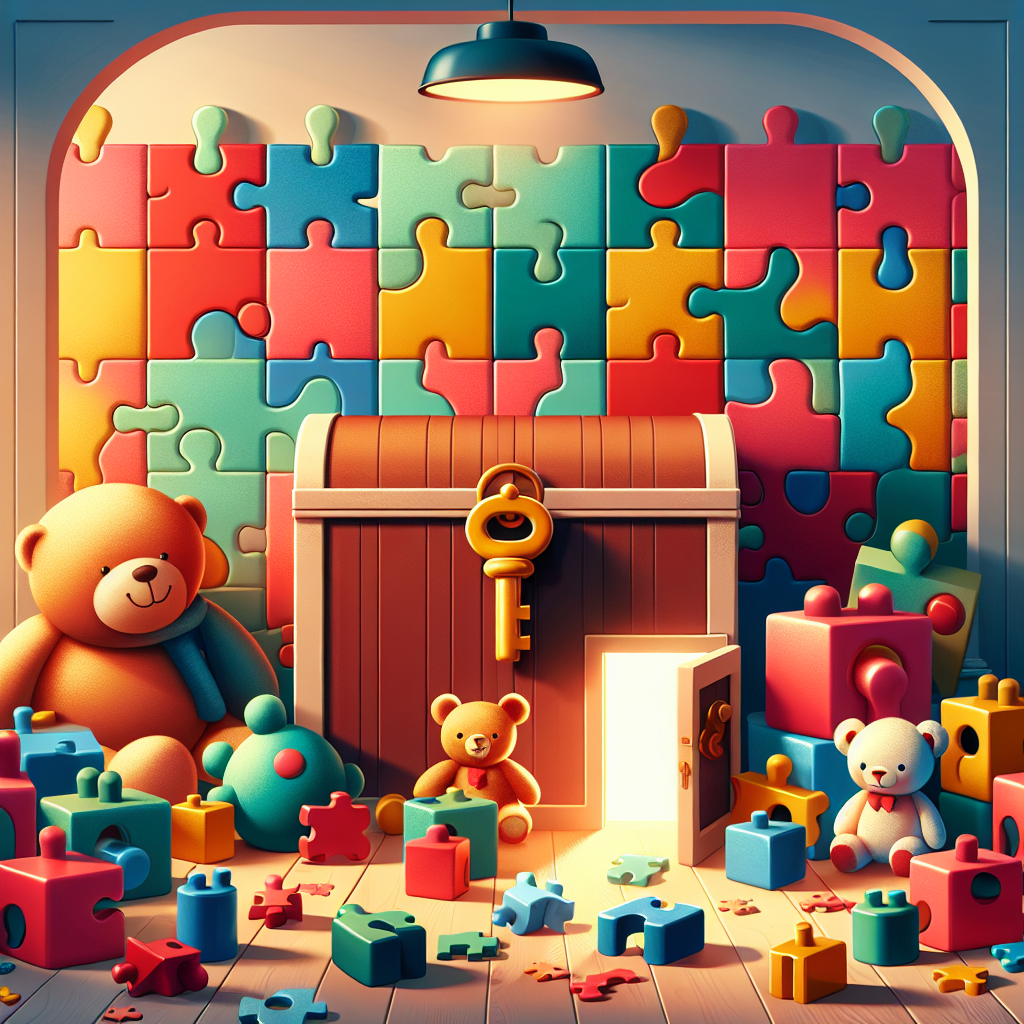
How to Organize a Toy-Themed Escape Room: A Fun and Engaging Experience
Escape rooms have become a thrilling way to challenge the mind and foster teamwork. If you’re looking to create a unique experience, why not try a toy-themed escape room? This playful twist can engage participants of all ages, transforming classic toys into clever clues and puzzles. Whether you’re hosting a party or planning a family night, this guide will help you organize a memorable toy-themed escape room. 🎲🧸
Table of Contents
1. Introduction
2. Planning Your Toy-Themed Escape Room
3. Choosing the Right Toys
4. Designing Puzzles and Clues
5. Setting Up the Room
6. Testing and Adjusting Your Escape Room
7. Conclusion
8. FAQs
Planning Your Toy-Themed Escape Room
Before diving into the creative process, it’s essential to have a plan. Begin by considering the age group of your participants, as this will influence the complexity of your puzzles. Decide on the room size and duration of the escape room experience. Generally, 45 minutes to an hour is a good timeframe to keep things challenging yet achievable.
Next, establish a storyline or theme to give the escape room context. Perhaps the toys have come to life and need help returning to their rightful owner, or maybe they need to solve a mystery in Toyland. The storyline will guide the design of your puzzles and help immerse players in the experience.
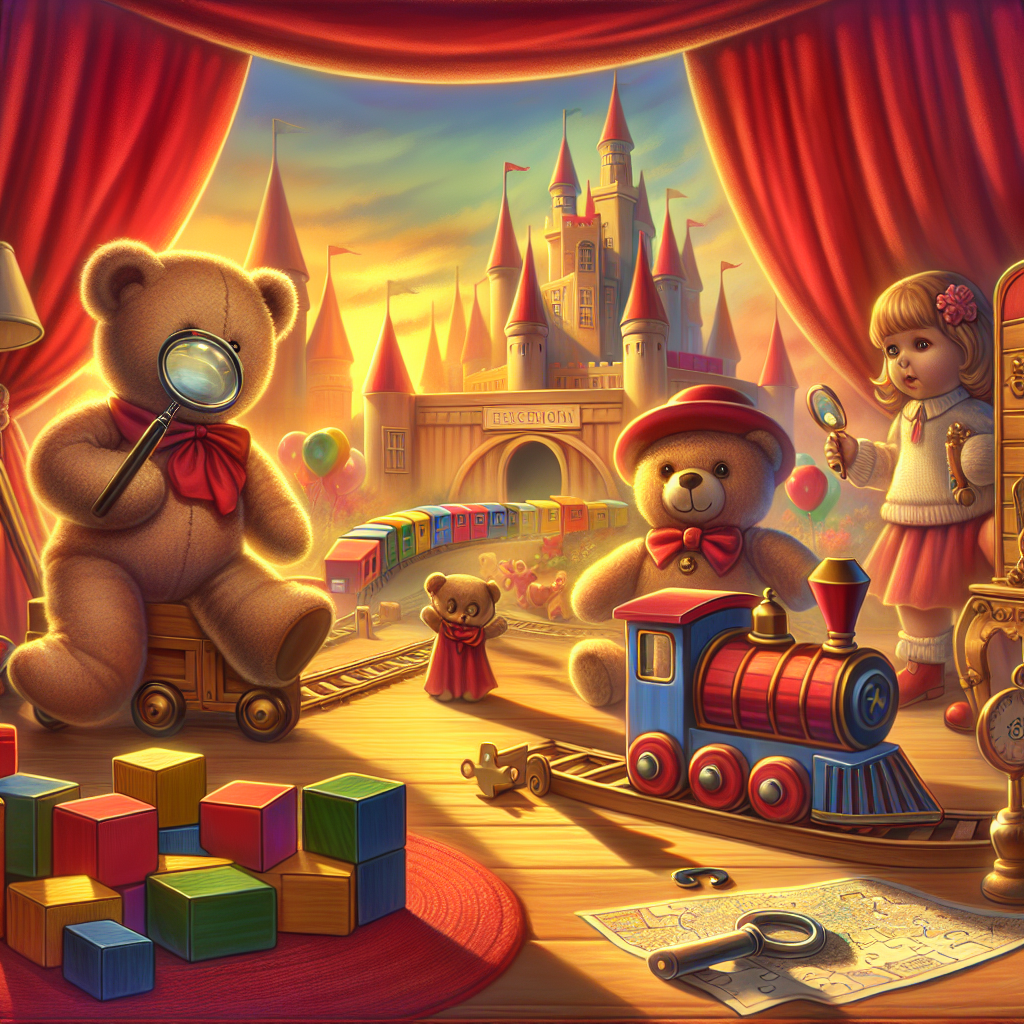
Choosing the Right Toys
Toys are the heart of your escape room, so choose ones that are both familiar and versatile. Classic toys like Rubik’s Cubes, jigsaw puzzles, and building blocks can be excellent starting points. Consider incorporating stuffed animals, toy cars, or even board games to add variety.
Each toy should serve a purpose in your escape room. For example, a jigsaw puzzle might reveal a hidden message when completed, or a toy car can unlock a secret compartment when pushed along a specific path. The key is to use toys creatively, transforming them into unexpected elements of the game.
Designing Puzzles and Clues
Puzzles and clues are the backbone of any escape room. Aim for a mix of mental and physical challenges to keep things interesting. Here are some ideas to get you started:
1. Code Breakers: Use letter blocks or Scrabble tiles to create a coded message that needs to be deciphered.
2. Color Coordination: Arrange colored building blocks in a specific pattern to unlock a clue.
3. Hidden Messages: Write invisible messages on the back of puzzle pieces that reveal themselves when the pieces are assembled.
Remember, the goal is to make the puzzles challenging but not frustrating. Test each puzzle to ensure it’s solvable within the time limit.
Setting Up the Room
Once your puzzles and clues are ready, it’s time to set up the room. Arrange the toys and clues logically, ensuring each puzzle leads to the next. Consider using shelves, tables, and floor space creatively to hide clues and add layers to the experience.
Lighting and sound effects can enhance the ambiance, making the experience more immersive. Soft background music or subtle sound effects can heighten the atmosphere, while lighting can highlight important areas or clues.
Testing and Adjusting Your Escape Room
Before inviting participants, it’s crucial to test your escape room. Ask friends or family to attempt the escape and provide feedback. Pay attention to areas where they struggle or become confused, and adjust the puzzles accordingly. The goal is to strike a balance between challenging and enjoyable.
Testing also helps you fine-tune timing, ensuring that players can complete the room within the allotted time without feeling rushed.
Conclusion
Creating a toy-themed escape room is a rewarding experience that combines creativity, problem-solving, and fun. By carefully planning, selecting the right toys, and designing engaging puzzles, you can craft an unforgettable adventure for your participants. Whether it’s for a special occasion or a casual weekend activity, a toy-themed escape room promises laughter, excitement, and a sense of accomplishment. Ready, set, escape! 🚀
FAQs
Q: How many players are ideal for a toy-themed escape room?
A: Typically, 4-6 players work well, allowing everyone to participate actively without overcrowding the space.
Q: Can I create a toy-themed escape room for adults?
A: Absolutely! While the theme is playful, you can design complex puzzles and incorporate nostalgic toys to appeal to an adult audience.
Q: How much time should I allocate for setup?
A: Depending on the complexity, setup can take anywhere from a few hours to an entire day. It’s best to allocate ample time to ensure everything runs smoothly.
Q: Do I need special equipment for lighting and sound effects?
A: Not necessarily. Simple lamps, flashlights, and Bluetooth speakers can effectively create the desired atmosphere without breaking the bank.
