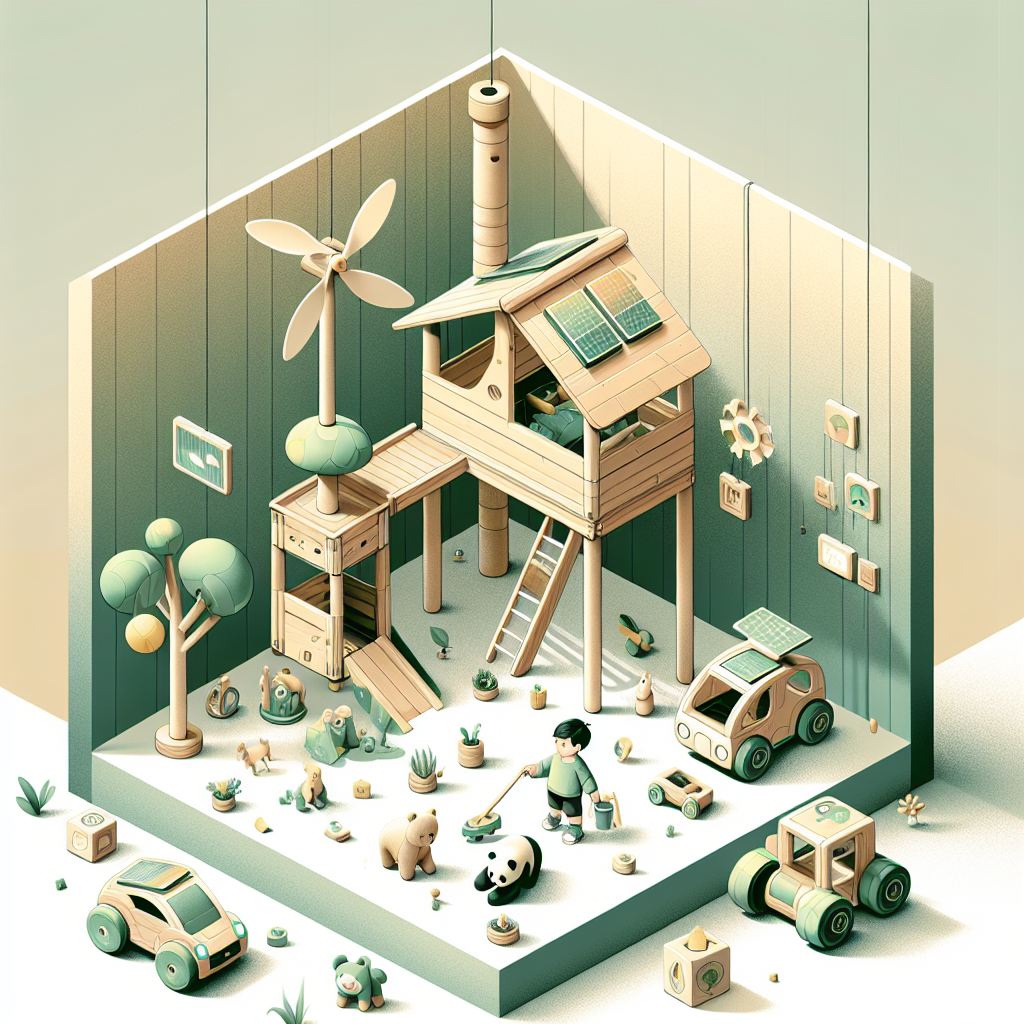
The Role of Toys in Encouraging Environmental Awareness
In today’s eco-conscious world, raising environmentally aware children has never been more crucial. And, surprisingly, toys play a significant role in this educational journey. From the materials used to the stories they tell, toys are instrumental in shaping a child’s understanding and appreciation of the environment. Let’s explore how toys are not just playthings, but powerful tools for instilling environmental awareness in young minds. 🌍
Table of Contents
1. Introduction
2. Sustainable Materials for Eco-Friendly Toys
3. Educational Value of Eco-Conscious Toys
4. Promoting Creativity Through Nature-Themed Toys
5. Brands Leading the Way in Eco-Friendly Toys
6. Conclusion
7. FAQs
Introduction
As parents and caregivers, we often ponder how best to prepare our children for the future. While traditional schooling plays its part, the environment at home is equally influential. Toys, often overlooked, serve as both recreational and educational mediums. They can inspire curiosity, teach responsibility, and develop a genuine concern for the planet. The question is, how can toys be a vehicle for environmental education? Let’s find out!
Sustainable Materials for Eco-Friendly Toys
One of the most direct ways toys contribute to environmental awareness is through their materials. Toys made from sustainable resources like bamboo, organic cotton, and recycled plastics highlight the importance of resource conservation. When children learn about the origins of their toys, they begin to understand the value of sustainable practices.
For instance, wooden toys crafted from responsibly managed forests not only last longer but also serve as a reminder of the natural world. They offer a tactile connection to nature, unlike synthetic counterparts. Choosing these eco-friendly options can spark conversations about why such materials are better for the planet. 🌱
Educational Value of Eco-Conscious Toys
Many toys today are designed to educate children about environmental issues. Puzzles depicting ecosystems, games focused on recycling, and kits for growing plants at home are fantastic examples. These toys make learning interactive and fun, ensuring that environmental lessons are absorbed naturally.
Moreover, toys that simulate real-world environmental scenarios can teach problem-solving and critical thinking. Kids learn about the impact of pollution or deforestation and are encouraged to brainstorm solutions. This kind of play is not just educational but also instills a sense of responsibility in young minds.
Promoting Creativity Through Nature-Themed Toys
Nurturing creativity is another vital role of toys in environmental education. Nature-themed toys, such as animal figurines or nature-inspired art sets, encourage children to explore and create. By engaging with these toys, children develop a deeper appreciation for wildlife and ecosystems.
Creative play allows children to invent stories and scenarios, which often leads to a greater understanding of the natural world. A simple game involving animal characters can evolve into a lesson on biodiversity and conservation, all while fostering a child’s imagination and empathy.
Brands Leading the Way in Eco-Friendly Toys
Several toy brands are pioneering the movement towards sustainability and environmental awareness. Companies like Green Toys, PlanToys, and Hape are setting standards by producing toys that are not only eco-friendly but also educational and fun.
These brands often go beyond using sustainable materials; they also focus on ethical production processes and educational content. By supporting such companies, consumers send a powerful message about the kind of future they want for their children and the planet. 🏆
Conclusion
Toys are much more than just a source of entertainment; they are vital tools for teaching children about the world. By choosing toys made from sustainable materials, designed to educate and inspire, we can foster a generation that values and protects the environment. Let’s embrace the role of toys in nurturing eco-conscious individuals who will lead us to a brighter, greener future. 🌟
FAQs
Q1: What makes a toy eco-friendly?
A: Eco-friendly toys are typically made from sustainable, non-toxic materials, and are designed to minimize environmental impact. They often incorporate themes of conservation and sustainability.
Q2: How can toys teach children about the environment?
A: Toys can educate children through interactive play, promoting understanding of ecosystems, recycling, and the importance of sustainability. They make learning about the environment engaging and memorable.
Q3: Are there specific brands known for eco-friendly toys?
A: Yes, brands like Green Toys, PlanToys, and Hape are renowned for their commitment to producing environmentally friendly toys.
Q4: Is the cost of eco-friendly toys higher than regular toys?
A: While eco-friendly toys might be slightly more expensive due to sustainable materials and ethical production, they are often more durable and provide educational value, making them a worthwhile investment.
Q5: Can eco-friendly toys be recycled?
A: Many eco-friendly toys are designed to be recyclable or biodegradable, reducing their environmental impact even at the end of their lifecycle.
